 EN
EN


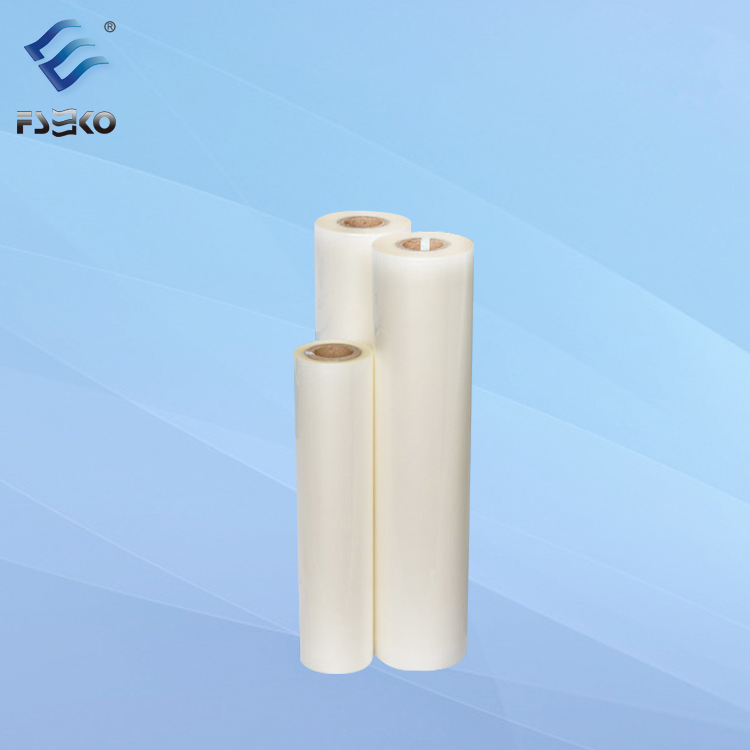
Why Digital Prints Need a Different Kind of Protection
Digital printing has fundamentally changed how commercial print shops operate. Shorter runs, variable data, faster turnaround—these are the new normal. But there’s a catch that doesn’t get talked about enough: digital prints are more fragile than their offset counterparts. Toner-based and inkjet outputs sit on top of the substrate rather than soaking in, which makes them vulnerable to scratching, fading, and environmental damage in ways traditional prints aren’t. The global lamination films market, valued at over $9 billion in 2025 and projected to grow at a compound annual rate of roughly 6.6% through 2032, reflects this very real need for protection. But not all lamination films are created equal, and the gap between standard thermal films and those engineered specifically for digital applications is wider than many buyers realize.
What Makes Digital-Grade Film Different
The adhesive layer is where the real distinction lies. Conventional thermal lamination films use adhesives formulated for offset inks—inks that absorb into paper fibers and create a mechanical bond. Digital printing, whether from toner-based engines like HP Indigo or wide-format inkjet systems, deposits ink on the surface. That means the adhesive has to contend with a different set of surface chemistries, including silicone release agents used in some digital presses. Digital thermal lamination films address this with modified EVA or hybrid adhesive formulations that create stronger molecular bonding with these challenging surfaces. The result is less delamination at fold lines, fewer edge splits, and dramatically lower rejection rates in post-press finishing. For shops running high-volume digital production, that difference shows up directly on the bottom line.
Protection That Goes Beyond the Obvious
Scratch resistance gets mentioned first in almost every conversation about lamination benefits, and for good reason. Digitally printed materials are soft—toner can flake, inkjet coatings can scuff. A quality digital lamination film provides a durable barrier that keeps finished pieces looking fresh through handling, shipping, and end-user use. But the less obvious benefits often matter just as much. UV protection extends the life of outdoor signage and retail displays. Moisture resistance prevents warping in high-humidity environments. And chemical resistance matters for packaging that might encounter oils or cleaning agents. One print shop in the Pacific Northwest that switched to digital-specific film reported a measurable drop in customer complaints about scuffed packaging—not because the film was thicker, but because the adhesive chemistry matched the substrate better.
A Real-World Test: Restaurant Menus and High-Traffic Environments
A chain of fast-casual restaurants across the Northeast tested two versions of their menus side by side for twelve months at more than thirty locations. One set used standard thermal lamination; the other used a digital-grade film formulated for toner-based output. The digital-grade menus retained color vibrancy at a rate above 90% over the test period, while the standard-laminated menus showed visible fading and edge delamination within the first four months. The restaurant group calculated that the higher-performing film added a small upfront cost per menu but eliminated the need for quarterly reprints—a trade-off that made financial sense across the board. This kind of field data reinforces what many production managers already suspect: the film that works for offset isn’t always the right choice for digital.
Optical Clarity and Finish Consistency
One of the complaints about early digital lamination films was optical haze—a milky appearance that dulled the sharpness of high-resolution digital prints. That issue has largely been resolved through improvements in base film quality and coating uniformity. Modern digital thermal lamination films deliver clarity that rivals or exceeds what’s achievable with conventional films, provided the adhesive system is matched correctly to the ink type. Matte finishes, in particular, have benefited from these advances. A matte digital film that produces consistent haze-free results across an entire run requires tight control over both the base material and the adhesive coating weight. Shops that have dialed in this combination report that their finished pieces command higher perceived value from clients—a factor that matters when competing on quality rather than price alone.
The Cost Equation: Upfront vs. Downstream
Digital lamination films often carry a higher per-square-meter price than general-purpose thermal films. That’s a fact. But focusing solely on material cost misses the bigger picture. The real metric is total cost of ownership: material cost plus waste from adhesion failures, plus reprints from quality rejects, plus the labor cost of troubleshooting inconsistent results. Shops that track these numbers closely often find that digital-specific films actually reduce overall cost per finished piece, even with a higher film price. The adhesive consistency and batch-to-batch repeatability that digital-grade films provide translate directly into fewer production stoppages and less scrap. For a shop running twenty thousand impressions a day, those savings add up fast.
Industry Standards That Matter
ASTM F2296 provides a standardized framework for assessing adhesion between lamination films and digitally printed images. The standard describes four test methods—score/tape, cross hatch, X-cut, and crease-folding—that give production teams objective data on how well a film will perform in real-world conditions. Shops that incorporate these tests into their vendor qualification process make more informed decisions and avoid the kind of unpleasant surprises that come from assuming all films are interchangeable. The test results don’t lie: a film that passes crease-fold testing without delamination is far more likely to survive the rigors of folding, binding, and end-user handling.
Making the Switch
For print shops still using standard thermal films on digital equipment, the transition to digital-specific film is straightforward. The same lamination equipment, the same temperature settings, the same workflow—just a different roll of film. The difference shows up in the finished product: sharper edges, better adhesion at fold lines, and fewer callbacks from unhappy clients. Manufacturers like EKO have built their product lines around this distinction, offering digital thermal lamination films engineered specifically for the unique demands of digital output. With over a hundred export markets and annual production capacity in the thousands of tons, these are not niche products—they’re mainstream solutions for a mainstream production challenge.
Table of Contents
- Why Digital Prints Need a Different Kind of Protection
- What Makes Digital-Grade Film Different
- Protection That Goes Beyond the Obvious
- A Real-World Test: Restaurant Menus and High-Traffic Environments
- Optical Clarity and Finish Consistency
- The Cost Equation: Upfront vs. Downstream
- Industry Standards That Matter
- Making the Switch