 EN
EN


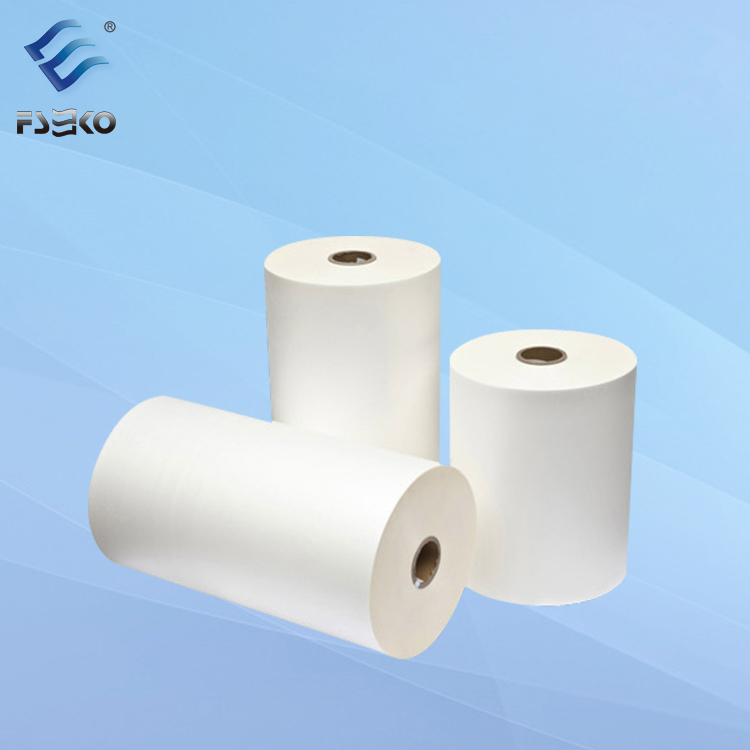
Precision Control of BOPP Thermal Lamination Parameters
Optimizing Temperature, Pressure, and Line Speed for Thin-Gauge BOPP Film
Getting perfect lamination results with thin gauge BOPP thermal film under 30 microns requires careful attention to several factors at once. Temperature needs to stay within the range of about 85 to 110 degrees Celsius while maintaining moderate pressure through the nip rollers. If things get too hot during the process, we start seeing bubbles form and the material tends to shrink. On the flip side, when there's not enough pressure applied, the bond between layers just isn't strong enough. The line speed also plays a critical role because manufacturers need to find the sweet spot between production volume and how long materials spend in contact with heat sources. Going above 30 meters per minute typically means less effective heat transfer which can lead to problems with adhesive not activating properly. For those working with custom sized BOPP thermal lamination film rolls, keeping tension consistent throughout the entire run becomes absolutely vital if we want to avoid issues like edges curling up or materials shifting out of alignment. According to recent industry research published in Packaging Digest last year, even small variations exceeding plus or minus 5 percent in these parameters can actually boost defect rates by around 22 percent.
How Parameter Variance Affects Adhesive Activation and Interfacial Bond Strength
Thermal fluctuations directly govern adhesive performance and bond integrity. The relationships below reflect empirically observed thresholds:
| Parameter | Low Variance Effect | High Variance Effect |
|---|---|---|
| Temperature | Incomplete adhesive melt – poor wetting | Polymer degradation – brittle bonds |
| Pressure | Voids at interface – delamination risk | Film deformation – optical defects |
| Line Speed | Over-penetration – adhesive bleed | Insufficient activation – peel failure |
Getting adhesives to work properly depends heavily on delivering just the right amount of energy. For EVA copolymers specifically, they need at least around 85 degrees Celsius to completely melt down. If it gets too cool below that threshold, the resulting bond strength can drop by as much as 40%. When pressure goes over 4 kilograms per square centimeter, those thin film layers get compressed unevenly throughout the material. This creates weak spots where stress builds up over time, leading to faster degradation of the bond. Maintaining temperatures between 70 and 80 degrees Celsius at the interface for roughly one second allows molecules to spread out across different materials properly. What happens though is if production line speeds fluctuate more than plus or minus 7 percent from what's intended, the adhesive starts losing its crystal structure integrity. This ultimately affects how stable these bonds remain over extended periods of use in real world conditions.
Selecting and Specifying BOPP Thermal Lamination Film Custom Size & Finish
Gloss, Matte, Soft-Touch, Anti-Scratch, and Metalized Films: Performance Trade-offs
When choosing surface finishes for products, designers have to walk a fine line between looks and practical needs. Glossy finishes really pop when it comes to colors and can reflect light at around 90% efficiency, but they show every fingerprint and tiny scratch like a magnifying glass. Matte options are great for cutting down on glare and hiding those little blemishes that nobody wants to see, although the colors aren't quite as vibrant. Soft touch films give that luxurious feel customers love and help build brand image as something premium, but these coatings wear off pretty quickly with regular use. Anti scratch treatments keep things looking clear even after lots of handling, though manufacturers typically pay about 10-15% extra for this protection. Metalized films offer amazing protection against moisture (water vapor transmission rates below 5 grams per square meter per day) plus that shiny metal look everyone wants, but workers need to handle them carefully or risk peeling issues. Thermal bonding also varies across different finishes. Standard glossy and matte surfaces usually work well between 90 and 110 degrees Celsius, whereas those with special coatings need much more precise temperature management during production to prevent problems with either the coating itself or how it sticks to the base material.
Custom Size BOPP Thermal Lamination Film: Tolerance Standards, Slitting Precision, and Roll Consistency
Precision-engineered dimensions are critical for reliable integration into automated lamination lines. Industry benchmarks mandate:
| Parameter | Tolerance Threshold | Impact on Lamination Quality |
|---|---|---|
| Width | ±0.5 mm | Prevents edge-wrinkling |
| Length per Roll | ±0.2% | Eliminates mid-job splicing |
| Core Diameter | ±0.1 mm | Ensures tension consistency |
Laser-guided slitting achieves burr-free edges (<5 μm deviation), minimizing film breaks during high-speed unwinding. Roll concentricity under 0.3 mm runout prevents telescoping, while uniform tension profiles (±2% variance) support consistent adhesive activation. Suppliers validating these metrics through ISO 9001-certified processes reduce waste by 18% compared to non-certified sources.
Ensuring Substrate Compatibility and Surface Readiness for BOPP Lamination
Critical Substrate Requirements: Tensile Strength, Moisture Content, and Surface Energy Thresholds
Around 60 percent of early BOPP film peeling issues stem from substrate mismatches according to Packaging Insights data from last year. The surface energy level matters a lot here. Materials with surface tension under 38 dynes per centimeter just won’t stick properly because they repel coatings and adhesives. When working with solvent free glues, running corona treatment to get those surfaces up to between 48 and 50 dynes makes all the difference. Watch out for moisture levels too. Anything over 5% tends to create bubbles when heat is applied, and this problem gets worse with paper based materials. Strength requirements are pretty strict as well. Films need at least 3.5 Newtons per 15 millimeters tensile strength to handle production line stresses without tearing or edges coming loose. This becomes even more important for products going into freezers or areas where chemicals might be present.
| Parameter | Minimum Threshold | Failure Risk | Testing Method |
|---|---|---|---|
| Surface Energy | 48 dyne/cm | Poor wetting, adhesive rejection | Dyne pen test kits |
| Moisture Content | ≤5% | Bubbling, adhesive cure inhibition | Moisture analyzer |
| Tensile Strength | 3.5 N/15mm | Web breaks, delamination | ASTM D882 tensile tester |
For BOPP thermal lamination film custom size applications, verify these parameters via pre-production trials replicating end-use conditions—including thermal cycling, humidity exposure, and mechanical stress. Skipping substrate validation risks costly rework and undermines lamination’s protective function.
Surface Treatment Strategies to Enhance BOPP Film Adhesion and Durability
Corona, Plasma, and Topcoating: Comparative Efficacy, Shelf-Life Stability, and Thermal Resistance
The way surfaces are treated has a major impact on how well things stick together, lasts over time, and what kind of manufacturing processes can be used. Corona treatment works by zapping materials with electricity which boosts their surface energy quickly. This creates pretty good initial bonding strength and can handle temperatures up to around 120 degrees Celsius before breaking down. But there's a catch - these effects don't last forever. Most corona treated surfaces start losing effectiveness after just 2 to 4 weeks in storage, so this method really shines when products need to be made right away rather than stored for later. Plasma treatment takes a different approach using ionized gas to modify surfaces more deeply. The results last much longer too, staying effective for over six months and resisting heat above 150 degrees Celsius. Of course, all this comes at a price since plasma equipment costs more to operate. For situations where absolute reliability matters most, topcoating remains the gold standard. Applying special primers creates surfaces that will always bond properly no matter when they're used, withstanding temperatures past 180 degrees Celsius. The downside? These coatings demand careful application techniques to prevent problems like uneven coverage or defects that could ruin the entire batch.
How well materials resist heat matters a lot when running those high temp lamination processes. If they don't get treated properly, the layers just won't stick together right and everything falls apart at the interface. When it comes to how long these materials last on shelves, this really impacts what companies can stock and when. Corona treatment works best for quick turnaround situations in lean manufacturing setups. Plasma coating gives about average shelf life for medium term storage needs. But topcoats are different story altogether they let manufacturers keep products in warehouses for much longer periods without worrying about quality dropping off. Testing each material against its specific temperature limits makes all the difference in getting consistent results every time. This becomes even more critical with custom sized BOPP films since fixing problems after production starts involves major logistical headaches and serious cost overruns.
FAQs
What are the ideal conditions for BOPP thermal lamination?
The ideal conditions include maintaining a temperature range between 85 to 110 degrees Celsius, applying moderate pressure through nip rollers, and ensuring line speeds do not exceed 30 meters per minute.
Why is pressure important in BOPP lamination?
Pressure ensures a strong bond between layers. Too little pressure results in weak bonding, whereas too much pressure can deform the film and cause defects.
How does line speed affect lamination quality?
Line speed impacts the duration materials stay in contact with heat sources. Exceeding optimal speeds can lead to inadequate heat transfer and incomplete adhesive activation.