 EN
EN


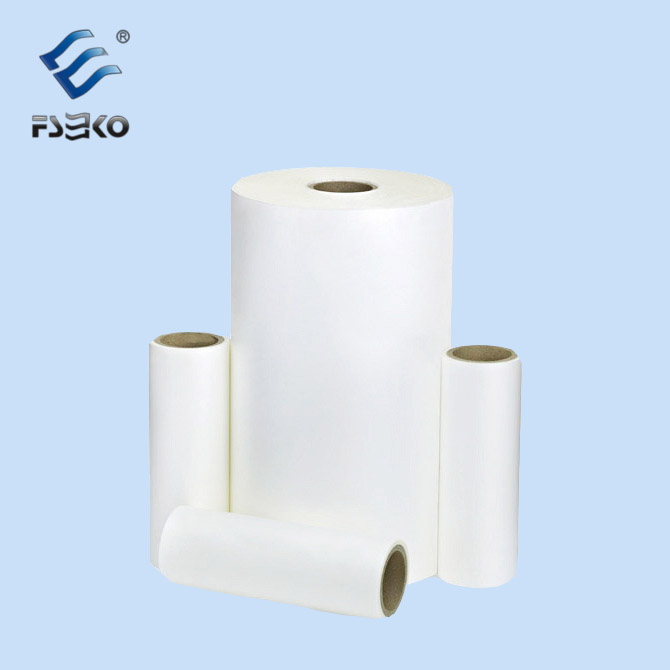
How Thermal Precoated Film Boosts Manufacturing Efficiency
Reduced Energy Consumption Through Integrated Thermal Precoating
Thermal precoating that's integrated into the process removes the need for separate coating and drying steps, which can slash energy consumption in film production by around 30 percent when compared to traditional approaches according to the Packaging Efficiency Report from 2023. Instead of adding functional layers after the fact using solvent-based methods or thermal curing techniques, this approach applies them right at the beginning of film formation. This means companies skip those energy hungry processes where solvents have to evaporate or where films go through oven curing cycles. The precision of depositing materials directly inline during production cuts down on wasted materials too, so there's no problem with uneven coatings or overspray issues. For manufacturers looking to cut expenses, this translates into significantly lower utility bills, smaller carbon footprints across their operations, and better positioning within today's market where sustainability isn't just nice to have but increasingly expected by customers and regulators alike.
Faster Line Speeds: Real-World Gains in Flexible Packaging Lamination
Using thermal precoated films can boost line speeds by around 20 to 40 percent during flexible packaging lamination processes. The reason? These films come already equipped with all the necessary functional properties right from manufacturing. This means laminators don't need to go through those extra steps like coating, priming, and curing separately anymore. As a result, they get continuous bonding between layers at much faster rates. Industry insiders tell us that major converter companies have seen their throughput jump over 25% in many cases. This effect is particularly noticeable in high barrier food packaging applications where both consistent quality and quick production matter most. Getting rid of these secondary processing steps cuts down on changeover time too. Equipment gets used more efficiently overall, orders get fulfilled quicker for customers, and none of this comes at the expense of compromised barrier protection or poor sealing results either.
Thermal Precoated Film Production: Deposition, Uniformity, and Process Control
Thermal Evaporation for Consistent, High-Yield Thermal Precoated Film Formation
Vacuum-based thermal evaporation allows manufacturers to apply coatings to moving plastic webs in large quantities. The process works by heating materials until they turn into vapor, which then settles evenly as thin functional layers on the surface. Getting the coating thickness right matters a lot for how well these barriers work. If the layer varies more than 3% from what's needed, products meant for sensitive environments like hospitals or food packaging might fail completely. To keep things consistent, modern systems use optical sensors that constantly watch the process and tweak the vapor flow when necessary. This cuts down on human oversight and helps factories produce 20 to 25% more good product instead of waste. Rotating the material during coating makes sure every part gets covered properly, even when dealing with tricky shapes or irregular surfaces. Automated systems handle all the fine adjustments automatically, working reliably at speeds over 500 meters per minute. What this means for producers is they can make lots of pre-coated film consistently, with hardly any material going to waste and knowing their products will perform the same way batch after batch.
In-Line Thermal Curing vs. Post-Deposition Annealing: Optimizing Adhesion and Stability
Choosing between in line thermal curing versus post deposition annealing makes all the difference when it comes to how fast things get done and whether the final product holds up over time. When companies go with in line curing, they basically use whatever heat is left over after depositing materials to kick start those cross links right away. Real world tests show this method can actually speed up production by around 15 to 20 percent while also giving about 30% better peel strength compared to traditional batch methods. According to the Coating Processes Report from last year, these inline systems consume 18% less energy per unit produced too, plus they keep running non stop which is why many manufacturers prefer them for their high volume flexible packaging needs. On the flip side, post deposition annealing takes longer but allows for much better control over material structure formation. This matters a lot for specialized products such as automotive grade barrier films that need to withstand extreme temperatures ranging from minus 40 degrees Celsius right up to 120 degrees without breaking down. Sure, annealing does require additional equipment investment and extra processing time, but for applications where durability trumps speed considerations, most engineers still see it as worth the extra effort.
FAQ
What is thermal precoated film?
Thermal precoated film is a type of film where functional layers are applied during the initial stages of film production, allowing for more efficient processing by eliminating the need for post production coating steps.
How does thermal precoating reduce energy consumption?
By integrating the precoating process, thermal precoated film eliminates the need for separate coating and drying steps that consume large amounts of energy, thereby reducing overall energy consumption in film production.
What industries benefit most from thermal precoated films?
Industries focused on flexible packaging, especially those within food packaging, benefit greatly due to the increased production speed and efficiency thermal precoated films provide.
Why choose in-line thermal curing over post-deposition annealing?
In-line thermal curing offers faster production times and improved peel strength, while post-deposition annealing allows better control over material structure formation and is ideal for applications requiring exceptional durability.