 EN
EN


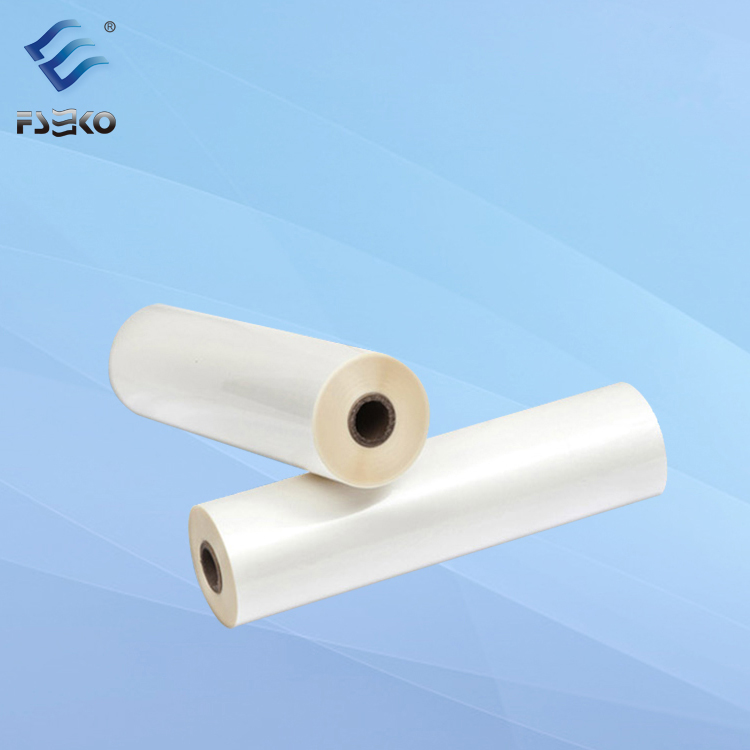
Choosing the Right Custom-Size BOPP Thermal Lamination Film
Aligning Thickness, Surface Finish (Matte/Gloss/Satin), and Roll Format with Application Needs
How thick the film is makes a big difference in how long it lasts. Thin films around 12 to 18 microns work great for things like labels where weight isn't a concern. But when we need something tougher for industrial purposes, going up to about 25-30 microns helps the material stand up to wear and tear better. The surface finish also plays multiple roles. Glossy surfaces really make colors pop, which is why they're popular in food packaging. Matte finishes help books look nicer on shelves since they don't reflect light so much. And then there's satin finish products that resist fingerprints, making them ideal for high end items people want to keep looking good. When it comes to roll sizes, bigger rolls are definitely the way to go for fast production lines as they cut down downtime between changes. Specialty printers often prefer narrower custom rolls though because they generate less waste overall. Environmental factors shouldn't be overlooked either. Anti fog coatings keep display cases clear even when cold, and adding metal layers creates those important moisture barriers that protect contents from getting damp.
Matching Adhesive Chemistry and Activation Profile to Substrate Type and End-Use Environment
Good adhesive systems need to create strong bonds at the molecular level with whatever they're sticking to. Acrylic based glues work really well on things like paperboard because they stick into the pores, but when dealing with synthetic stuff such as PET plastic, polyurethane adhesives tend to perform much better. Temperature matters too. Some materials can't handle much heat so we need special low temp adhesives that activate around 70 to 90 degrees Celsius for things like thin films. Rigid packaging on the other hand can take higher temps, usually working fine with adhesives that set between 110 and 130 degrees. When products face tough conditions after manufacturing, these temperature considerations become even more important for ensuring long lasting performance.
- Frozen goods demand adhesives retaining flexibility at –20°C
- Chemical-exposed labels need cross-linked polymer resistance
- Outdoor applications require UV-stable formulations
Validate adhesive performance against real-world stressors—including humidity cycling and abrasion—using accelerated aging tests aligned with ASTM D3330 and ISO 8510-2 standards.
Mastering Thermal Lamination Parameters for Consistent Custom-Film Performance
Optimizing Temperature, Pressure, and Line Speed to Prevent Delamination or Hazing
Getting good results when working with custom sized BOPP thermal lamination film depends on getting three main things just right: temperature control, pressure settings, and how fast the line runs. If temperatures drift more than plus or minus 5 degrees Celsius away from what's ideal, about 37 out of every 100 laminations end up coming apart later on. And bad pressure settings? That causes those annoying haze problems in over half of all defective batches according to Packaging Insights last year. With custom made films, how they respond to heat actually changes based on what kind of adhesive was used and how thick the material is. Thinner stuff between 12 and 19 microns generally needs temps around 10 to 15 percent cooler than regular rolls so the glue doesn't break down during processing.
| Parameter | Impact Range | Custom-Film Adjustment |
|---|---|---|
| Temperature | 90–130°C | ±5–15% based on thickness |
| Pressure | 15–40 psi | +10–20% for textured substrates |
| Line Speed | 5–30 m/min | −15–25% for complex geometries |
Running lines too fast tends to be one of the main problems causing edge lift issues, particularly when dealing with oddly shaped products. When operators slow things down about 20%, they typically see around a 34% improvement in how well adhesives flow along those tricky cut edges. At the same time, adjusting pressure becomes really important because different materials absorb glue differently. For instance, kraft paper generally requires roughly 25% more pressure compared to coated papers just to get rid of trapped air pockets. Companies that invest in real time monitoring equipment for these factors usually end up cutting defects somewhere between 50-68%. And remember to run tests on full size samples whenever possible since smaller scale testing often fails to capture the actual heat distribution patterns that happen during production runs on custom widths.
Ensuring Reliability: Storage, Handling, and Supplier Partnership for Custom BOPP Film
Controlling Humidity, Temperature, and Shelf Life to Maintain Adhesive Integrity
Maintaining adhesive performance demands strict environmental controls. Humidity exceeding 60% RH accelerates adhesive degradation, while temperatures above 30°C (86°F) compromise film integrity. Improper storage causes 35% of premature delamination failures (Packaging Digest 2023). Optimal conditions include:
- Humidity: Maintain 40–50% RH
- Temperature: Store at 15–25°C (59–77°F)
-
Shelf life: Use within 12 months of manufacturing
Rotate stock using FIFO (First-In-First-Out) protocols to prevent aging-related adhesive crystallization. Films exposed to temperature swings exceeding 10°C require a 48-hour acclimatization period before use to avoid hazing.
Collaborating with Suppliers on Tolerances, Lead Times, and Technical Support for Custom-Size Orders
Partnering with reputable suppliers ensures your custom-size BOPP thermal lamination film specifications align with production realities. Key collaboration areas include:
- Tolerances: Negotiate ±0.5¬mm roll width consistency and <0.02¬mm thickness variation
- Lead times: Establish buffer stocks for 8–12 week custom production cycles
-
Technical support: Request adhesive compatibility testing for novel substrates
Document all specifications in technical datasheets—including adhesive activation temperatures and pressure requirements. Suppliers offering co-development programs reduce trial errors by 70% (FlexPack Mag 2024). Establish quarterly review meetings to address evolving needs like sustainability certifications or rapid prototyping for limited runs.
Evaluating Functional & Sustainability Attributes of Custom BOPP Thermal Lamination Film
Choosing the right size for BOPP thermal lamination film requires looking at how well it works plus what happens to it after use. From a function standpoint, good protection against moisture, oxygen, and UV light matters a lot when wrapping things like medicines or fresh food products that can spoil easily. The film needs to handle heat around 140 to 160 degrees Celsius without melting during sealing, and strong enough to last through fast packaging lines without tearing. On the green side, being able to recycle these films fits into broader efforts toward circular economies worldwide. Simple mono-material BOPP films actually make recycling easier than those complicated multi-layer ones we see so much of lately, which means less waste ending up in landfills. Some newer options now contain around 30% recycled material from previous consumer use while still performing just as well as brand new stuff in terms of sealing quality. When companies tailor the film sizes exactly to what they need for each job, they cut down on wasted material during cutting processes by roughly 15%, which helps save money and reduces environmental footprint at the same time.
| Attribute | Functional Consideration | Sustainability Metric |
|---|---|---|
| Barrier Properties | Prevents moisture ingress (>99% efficacy) | Recyclability (mono-material) |
| Heat Resistance | Withstands 140–160°C sealing temps | PCR Content (up to 30%) |
| Custom Dimensions | Eliminates trimming waste | Reduces carbon footprint by 15% |
FAQ
What is BOPP thermal lamination film?
BOPP thermal lamination film is a type of film used to coat paper or other materials for protection or aesthetic purposes. It is made from biaxially-oriented polypropylene and is activated by heat to adhere to substrates.
Why is thickness important when choosing BOPP film?
The thickness of BOPP film impacts its durability. Thicker films provide better wear and tear resistance, making them suitable for industrial use, while thinner films are ideal for applications like labels where weight is less of an issue.
How does the surface finish affect the application?
Surface finish like matte, gloss, or satin determines the film’s visual appearance and fingerprint resistance. Glossy finishes are preferred for vibrant packaging, matte for non-reflective displays, and satin for premium goods.
Why is it important to match adhesive chemistry to substrate type?
Different substrates respond differently to adhesives—acrylic adhesives work well with porous materials like paperboard, whereas polyurethane adhesives are better for non-porous materials like PET plastics.
What are the ideal storage conditions for BOPP film?
BOPP film should be stored in conditions where humidity is maintained between 40-50% RH and temperature between 15-25°C to prevent adhesive degradation and maintain film integrity.
Table of Contents
- Choosing the Right Custom-Size BOPP Thermal Lamination Film
- Mastering Thermal Lamination Parameters for Consistent Custom-Film Performance
- Ensuring Reliability: Storage, Handling, and Supplier Partnership for Custom BOPP Film
- Evaluating Functional & Sustainability Attributes of Custom BOPP Thermal Lamination Film
- FAQ