 EN
EN


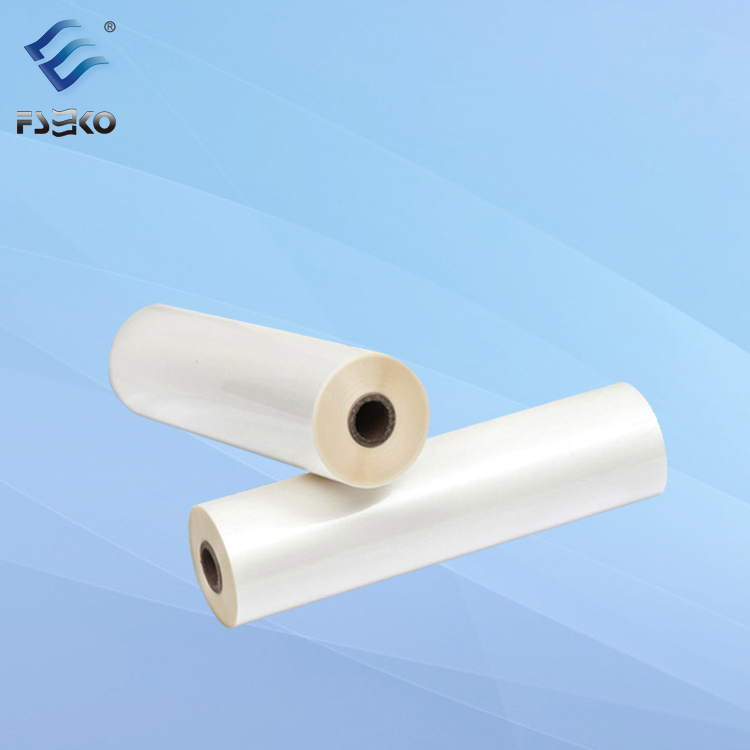
Understanding Thermal Stability and Process Window Limitations
Shrinkage, Warping, and Morphological Shifts Above 70¾90°C
When BOPP thermal lamination films get too hot, they experience permanent changes that can't be undone. If kept at temperatures over 70 degrees Celsius for long periods, the material starts rearranging its crystal structure, leading to around 2.5 percent shrinkage across the width of regular films. This becomes a big issue for packages made from multiple layers since different materials expand at different rates, creating tension inside the package and making edges curl upwards. Things get worse at 90 degrees Celsius when the polymer chains start reorganizing themselves faster, resulting in film that's much harder but also less able to withstand impacts. Research indicates impact resistance drops by about thirty percent under these conditions. These kinds of changes pose serious risks for seals on containers used for hot filled foods or medical products that need sterilization, where maintaining consistent dimensions is absolutely critical to stop leaks and avoid product spoilage.
Trade-off Between Adhesion Strength and Thermal Degradation at Elevated Temperatures
Getting the right lamination temperature is all about finding that sweet spot where bonds form properly without damaging the materials. Peel strength tends to jump around 40 percent when temps are between 80 and 95 degrees Celsius because the polymers flow better and wet the surfaces more effectively. But watch out what happens if things get too hot. When temperatures go over 90 degrees for longer than eight seconds, oxidative chain scission starts happening which cuts down on tensile strength by about 15% and makes the material turn yellow faster. This kind of degradation has a lot to do with the film's glass transition temperature, or Tg for short. Films with lower Tg values like those around 75 degrees stick well but can distort easily from heat exposure during shipping or storage. For engineers working with sensitive materials, keeping oven temps within plus or minus five degrees really matters. It becomes even more important when dealing with delicate stuff like metallized films or printed layers where both good bonding and material integrity need to be maintained throughout the process.
Ensuring Reliable Adhesion: Surface Treatment, Cleanliness, and Defect Prevention
Corona vs. Primer-Based Activation for Consistent Bond Formation
Getting the surface right is really important when it comes to making sure BOPP thermal lamination works properly. Corona treatment basically means applying some controlled electrical discharge which boosts the surface energy. This method works pretty well for fast laminating processes on those polyolefin materials. For tougher jobs though, especially with things like metallized films or polymers that haven't been treated before, primer based activation tends to give much better results. According to research from the packaging sector back in 2023, using primers cut down adhesion problems by about 43% compared to just relying on corona treatment alone for these tricky surfaces. But there are catches with either approach. If they don't treat enough, the bond ends up being weak. Go too far though and the film itself might get damaged because of oxidation or become brittle at the surface level.
Root Causes and Mitigation Strategies for Wrinkling, Curling, and Delamination
When materials start to wrinkle, curl up, or peel apart, it's usually because of three main problems working together: dirty substrates, uneven heating, and bad tension control across the web. The presence of dust particles or oil residues forms these weak spots where things just won't stick properly. Cleaning surfaces with rubbing alcohol cuts down on failures by about two thirds according to industry tests. If someone notices wrinkles forming, they should check if there's a big difference in temperatures between rollers (anything over 15 degrees Celsius is too much). Adjusting those heating zones typically fixes this issue. As for when layers separate completely, manufacturers need to focus on several critical points including proper coating application techniques and ensuring consistent pressure throughout production runs.
- Uniform adhesive coating thickness (±2 µm tolerance)
- Web tension maintained at 1.5¾2.5 N/mm² during processing
- Controlled cooling rates below 5°C/minute to minimize residual stress
When sourcing BOPP thermal lamination film custom size, dimensional tolerances of ±0.2 mm help eliminate trimming-induced edge lifting. Post-lamination conditioning at 40% RH for 48 hours further stabilizes dimensions across humidity cycles.
Matching BOPP Thermal Lamination Film to Application Needs and Custom Size Requirements
Thickness, Coating Compatibility, and Performance Consistency Across Food, Cosmetics, and Electronics Packaging
The thickness of film plays a major role in determining how well it acts as a barrier, affects stiffness, and works with different manufacturing processes. Most food packaging relies on films around 20 to 30 microns thick that are clear and resist greasy substances, meeting all those FDA standards we're always hearing about. When it comes to cosmetics, manufacturers tend to go for thinner options between 15 and 25 microns with special matte finishes or soft touch coatings that just look better on store shelves. For electronics packaging, the industry needs thicker films at 25 to 40 microns with anti-static properties to protect sensitive components from electrical shocks. Flexible pouch designs work best with really thin films measuring 12 to 18 microns since they save weight without compromising too much. On the other hand, rigid containers need stronger materials above 40 microns to hold their shape properly. And here's something important to remember about quality control: if the coating density varies more than 5% from one production batch to another, there's a real risk of layers peeling apart when exposed to heat changes during shipping or storage conditions.
Sourcing BOPP Thermal Lamination Film Custom Size for Precision Fit and Waste Reduction
When working with BOPP films for high speed lamination processes, going pre-cut at custom sizes really cuts down on those pesky trimming and slitting mistakes that slow things down. Getting the film width just right for the pouch sealing machines makes a big difference too. We've seen edge waste drop around 20% or so when this alignment works properly. And let's not forget about optimizing roll lengths which saves time during machine changeovers. For those fancy cosmetic packaging boxes with odd shapes, die cut films are practically essential. They cover edges exactly where needed without any annoying adhesive bleed through. Most top tier converters now rely on digital templates to get film dimensions spot on with substrate tolerances, usually within about half a millimeter give or take. This kind of precision means fewer scraps flying around the factory floor, which helps companies move closer to their green targets like aiming for no landfill waste at all.
Validating Performance Through Realistic Testing and Environmental Simulation
Testing materials under realistic environmental conditions is essential when checking how reliable BOPP thermal lamination films will be once they hit the market. We run accelerated aging tests that include things like moving samples back and forth between freezing temperatures (-20°C) and heat (up to 70°C), exposing them to high humidity levels around 85%, and subjecting them to UV light. These tests help spot problems with sticking together, sealing properly, or coatings breaking down long before products ever reach customers. When dealing with custom sized films, we also check if cut edges stay sealed even after going through temperature changes typical during shipping worldwide. Our pressure and stress tests mimic what happens during transport too - think vibrations from trucks, weight pressures similar to what happens when 8 meters worth of pallets are stacked on top of each other, plus all the movement that comes with filling containers. According to industry reports, companies that do these kinds of tests ahead of time see about a 63% drop in product failures later on. This means better matching what clients actually need in their supply chains, fewer expensive recalls, and less wasted materials overall.
FAQ Section
What are the effects of high temperatures on BOPP thermal lamination films?
High temperatures cause permanent changes in BOPP thermal lamination films, such as shrinkage, warping, and reduced impact resistance, which pose risks for seals on containers.
How does adhesion strength vary with temperature during lamination?
Adhesion strength increases between 80 and 95 degrees Celsius, but beyond 90 degrees, oxidative chain scission occurs, reducing tensile strength and leading to faster degradation.
What are surface treatment options for BOPP thermal lamination?
Surface treatment options include corona treatment and primer-based activation, which help increase adhesion strength, though they need to be applied precisely to avoid film damage.
How can you prevent wrinkling and delamination in BOPP films?
Preventing wrinkling and delamination involves maintaining cleanliness, controlling heating, and managing tension across the web, as well as applying consistent adhesive coating.
What considerations are important for custom size BOPP films?
Custom size BOPP films offer precision fit and waste reduction, important for achieving exact dimensions in manufacturing processes and reducing edge waste during packaging.
Table of Contents
- Understanding Thermal Stability and Process Window Limitations
- Ensuring Reliable Adhesion: Surface Treatment, Cleanliness, and Defect Prevention
- Matching BOPP Thermal Lamination Film to Application Needs and Custom Size Requirements
- Validating Performance Through Realistic Testing and Environmental Simulation
-
FAQ Section
- What are the effects of high temperatures on BOPP thermal lamination films?
- How does adhesion strength vary with temperature during lamination?
- What are surface treatment options for BOPP thermal lamination?
- How can you prevent wrinkling and delamination in BOPP films?
- What considerations are important for custom size BOPP films?