 EN
EN


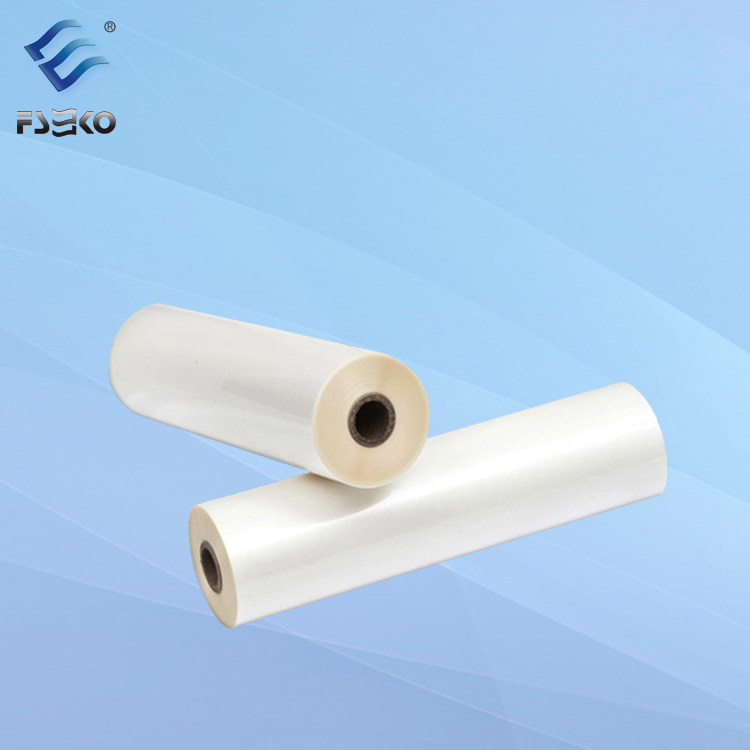
Why BOPP Is the Foundation of Eco-Friendly Lamination Solutions
Low Carbon Footprint and Energy-Efficient BOPP Production
The production of BOPP (Biaxially Oriented Polypropylene) actually brings quite a few benefits for sustainability because it uses energy more efficiently. Today's factories are getting smarter about capturing waste heat from their processes and installing those fancy high efficiency motors which together can bring down overall energy usage around 20% when looking at older equipment. What makes this even better is that BOPP has a much lower melting point than many alternatives so there's just less need for intense heating during manufacturing. Plus, newer extrusion methods mean manufacturers aren't wasting as much raw material either. All these improvements work together to reduce greenhouse gases emitted for every ton produced. And if companies run their plants on renewable energy sources like solar or wind power, then the environmental impact gets even smaller. That's why BOPP continues to be such an important base material for laminates that want to perform well without harming the planet too much.
Thin-Gauge Efficiency: High-Performance Lamination with Minimal Material Use
BOPP films in the thin gauge range (around 9 to 30 microns thick) offer excellent performance while using far fewer resources than thicker alternatives. Thanks to improvements in orientation techniques, manufacturers can now produce even thinner versions below 9 microns that still stand up well against water vapor, oxygen exposure, and harmful UV rays which is essential when packaging sensitive products. These thinner films mean about 40 percent less plastic goes into each package compared to standard options, yet they remain strong enough to resist punctures and maintain proper seals during handling and storage. Plus, their lighter weight translates to reduced fuel costs during shipping and makes them compatible with most current recycling facilities. When companies need reliable protection for their goods but want to cut down on waste, thin gauge BOPP represents a smart choice for sustainable packaging solutions.
Advancing Circularity: Recyclable and Compostable BOPP Lamination Options
Mono-Material BOPP Structures Enabling Mechanical Recycling
The shift to mono-material BOPP structures marks a significant step forward in making packaging more eco-friendly. These materials get rid of those complicated multi-layer designs that have always been a headache for recyclers. The result? Simple mechanical recycling without needing any special separation processes. We're talking about solving a big problem here since around 40% of mixed material recyclables end up contaminated according to Packaging Digest last year. Companies can still protect products from moisture and oxygen damage with just BOPP alone, so nothing gets sacrificed in terms of quality or performance. And when it comes time to recycle, things are looking much better too. With improved collection systems across Europe and North America, most places are seeing over 80% recyclability rates for these single material packages now.
Certified Compostable BOPP Variants (e.g., PLA-Blended Films)
When recycling options are scarce, certified compostable BOPP films become a real game changer at the end of their life cycle. The PLA blended versions actually pass those tough international tests like theTÜV Austria OK Compost INDUSTRIAL standard. They break down completely in about 12 weeks if sent to proper composting plants, yet still keep all the good qualities regular BOPP has in terms of how it handles during manufacturing. What makes these films stand out? They resist oil and grease really well, which matters a lot for food packaging applications. Studies show they cut down on landfill waste by around two thirds when compared to traditional laminates. Big name manufacturers have started making compostable options that work just as well when it comes to sealing and printing as the old fossil fuel based materials did.
Real-World Environmental Impact: How BOPP Compares to PET and PVC Laminates
Quantifying the ecological footprint of packaging materials reveals BOPP's distinct advantages. When benchmarked against PET and PVC laminates, BOPP demonstrates significantly lower lifecycle emissions. PVC laminate production generates 40% higher carbon emissions than BOPP due to energy-intensive chlorine processing, while PET requires 25% more energy during manufacturing (Polymer Sustainability Research, 2023).
BOPP also excels in end-of-life scenarios:
- Recyclability: BOPP maintains material integrity through established mechanical recycling streams unlike PVC, which releases toxic dioxins when incinerated
- Resource Efficiency: Thin-gauge BOPP films achieve equivalent barrier performance to thicker PET alternatives, reducing raw material consumption by up to 30%
- Circular Compatibility: Emerging mono-material BOPP structures eliminate the multi-layer separation challenges that hinder PET recycling
A 2023 comparative Life Cycle Assessment found BOPP laminates reduced supply chain emissions by 30% versus PET equivalents driven primarily by lighter transportation weight and energy-efficient production.
| Material | Carbon Footprint (kg CO2e/ton) | Recyclability Rate | Landfill Decomposition |
|---|---|---|---|
| BOPP | 1,200 | 65%+ | 20–30 years |
| PET | 1,800 | 31% | 450+ years |
| PVC | 2,500 | <18% | 500+ years |
Data compiled from peer-reviewed polymer sustainability assessments (2021–2023)
This performance matrix confirms BOPP as the environmentally optimal laminate choice delivering functional reliability alongside demonstrable ecological responsibility across its entire lifecycle.
Driving Sustainable Innovation: High-Impact Applications of BOPP Eco-Friendly Lamination Solutions
Food Packaging Case Study: Extending Shelf Life While Reducing Waste
BOPP eco lamination solutions are changing how we preserve food thanks to those super thin metallized films measuring between 9 and 30 microns thick. These films form remarkable barriers against oxygen, moisture, and harmful UV rays. Products last about 40% longer on shelves when packaged this way, which means less food goes bad before it reaches store shelves or customer tables throughout the whole supply chain. Plus, these materials weigh so little they actually use around 35% less plastic per package compared to regular laminates. What makes this approach stand out is how well it combines top notch protection for products while following circular economy thinking. Companies see real savings on their bottom line at the same time as reducing waste. The end result? Consumers get fresher goods without all the extra packaging bulk that traditional methods require.
Frequently Asked Questions
What is BOPP and why is it considered eco-friendly?
BOPP stands for Biaxially Oriented Polypropylene, a type of polymer film known for its energy-efficient production and recyclability. It's considered eco-friendly due to its low carbon footprint, efficient use of resources, and potential for mechanical recycling.
How does BOPP compare to PET and PVC in terms of environmental impact?
BOPP demonstrates significantly lower lifecycle emissions compared to PET and PVC. It also maintains better recyclability rates and decomposes faster in landfills.
Can BOPP films be recycled or composted?
Yes, BOPP films can undergo mechanical recycling due to their mono-material structure. Additionally, certain BOPP films blended with PLA are certified compostable.
Table of Contents
- Why BOPP Is the Foundation of Eco-Friendly Lamination Solutions
- Advancing Circularity: Recyclable and Compostable BOPP Lamination Options
- Real-World Environmental Impact: How BOPP Compares to PET and PVC Laminates
- Driving Sustainable Innovation: High-Impact Applications of BOPP Eco-Friendly Lamination Solutions
- Frequently Asked Questions