 EN
EN


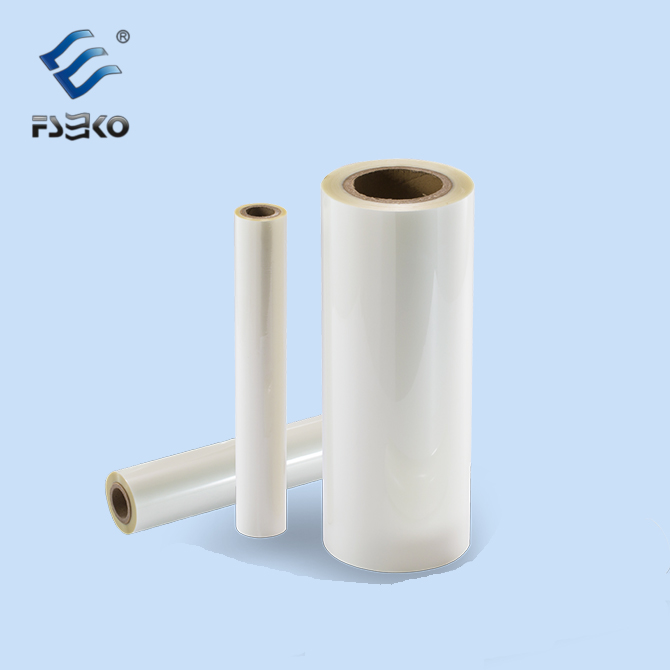
Proven Environmental Benefits of Eco-Friendly Thermal Lamination Film
Biodegradability, Industrial Compostability, and Verified Carbon Footprint Reduction
Eco-friendly thermal lamination films—made from certified bio-based polymers like PLA and BioPP—achieve industrial compostability under ASTM D6400 and EN 13432 standards, fully degrading within 180 days. Unlike conventional PET films that persist for centuries, these materials eliminate microplastic residue and require no specialized separation from paper waste streams. Third-party life cycle assessments confirm a 42% lower carbon footprint, driven by renewable feedstocks (e.g., corn starch, cellulose) that sequester CO₂ during growth—and energy-efficient manufacturing. VOC-free application further improves indoor air quality in print facilities.
Waste Diversion Impact: Replacing Single-Use Plastics in Print Finishing
Each ton of eco-friendly thermal lamination film replaces petroleum-based alternatives and diverts approximately 1.8 tons of plastic waste from landfills. This shift is especially impactful in packaging and marketing collateral, where laminated substrates historically contributed to single-use pollution. Because these films integrate cleanly into paper recycling or industrial composting systems, brands report up to 30% annual reductions in plastic waste volumes, without compromising finish integrity or shelf appeal.
Sustainability Drivers Accelerating Adoption in B2B Printing
Circular Economy Alignment: Renewable Feedstocks and End-of-Life Pathways
B2B printers are adopting eco-friendly thermal lamination film not just for compliance—but as a strategic sustainability lever. Its plant-derived polymers and agricultural byproducts reduce fossil fuel dependency, while verified end-of-life pathways—industrial composting, chemical depolymerization, and closed-loop recycling—support true circularity. With 66% of global buyers now prioritizing environmental responsibility in supplier selection, this material helps printers meet client Scope 3 emissions targets and align with tightening regulations like the EU Packaging and Packaging Waste Regulation (PPWR).
Energy Efficiency and Sustainable Manufacturing of Eco-Friendly Thermal Lamination Film
Manufacturing eco-friendly thermal lamination film demands 20–30% less energy than conventional PET film production—primarily due to lower extrusion temperatures and streamlined processing. When paired with on-site solar or wind power, facilities cut associated carbon emissions by up to 40%.
Sustainability extends across the entire operation: water-based adhesives eliminate VOCs; precision extruders minimize thermal spikes; and thinner gauges (15–30 microns) reduce raw material use without sacrificing performance. Over 90% of production trimmings are reintegrated into new batches—turning potential waste into functional input. This integrated approach—optimizing energy, materials, and recovery—delivers high-performance lamination while advancing the industry’s decarbonization and circularity goals.
FAQ
What is eco-friendly thermal lamination film made of?
Eco-friendly thermal lamination films are made from certified bio-based polymers such as PLA (polylactic acid) and BioPP (bio-based polypropylene).
How long does it take for these films to biodegrade?
Under industrial composting conditions, these films fully degrade within 180 days according to ASTM D6400 and EN 13432 standards.
How does this material reduce the carbon footprint?
Eco-friendly thermal lamination films are produced using renewable feedstocks like corn starch and cellulose, which sequester CO₂ during growth. Additionally, energy-efficient manufacturing processes contribute to a 42% lower carbon footprint.
Can these films integrate into existing recycling systems?
Yes, these films can cleanly integrate into paper recycling systems and industrial composting setups without requiring specialized separation processes.
What industries benefit from adopting these eco-friendly films?
Industries such as printing, packaging, and marketing benefit significantly, as the films help in reducing single-use plastic waste and align businesses with sustainability goals.
Is the production process energy-efficient?
Yes, manufacturing eco-friendly thermal lamination films uses 20–30% less energy than conventional PET film production and can further decrease emissions when powered by renewable energy sources like solar or wind.
Table of Contents
- Proven Environmental Benefits of Eco-Friendly Thermal Lamination Film
- Sustainability Drivers Accelerating Adoption in B2B Printing
- Energy Efficiency and Sustainable Manufacturing of Eco-Friendly Thermal Lamination Film
-
FAQ
- What is eco-friendly thermal lamination film made of?
- How long does it take for these films to biodegrade?
- How does this material reduce the carbon footprint?
- Can these films integrate into existing recycling systems?
- What industries benefit from adopting these eco-friendly films?
- Is the production process energy-efficient?