 EN
EN


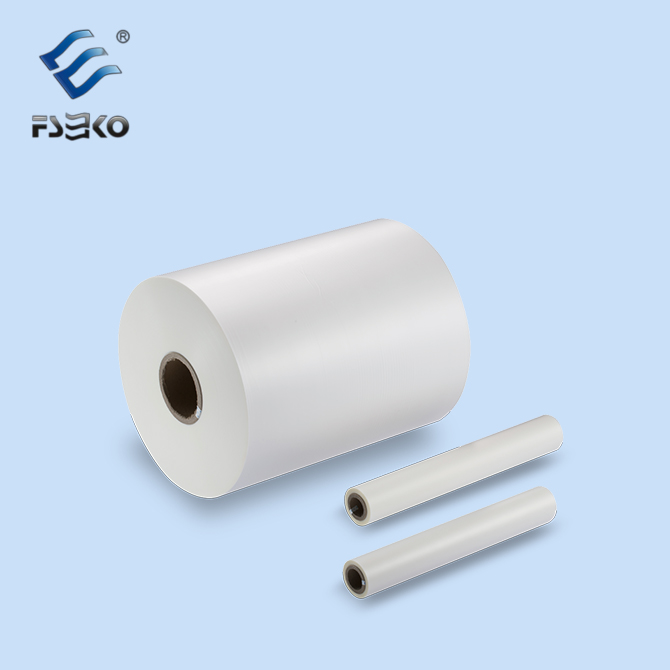
High Adhesion Defines Laminate Durability and Real-World Performance
Peel strength and bond longevity: Measuring resistance to edge lift, delamination, and thermal cycling
The peel strength of thermal laminates is measured using those standard 180 degree peel tests we all know about. When this value stays above 10 Newtons per centimeter, it generally means better performance over time in tough conditions. Thermal cycling between minus 40 degrees Celsius and plus 85 really puts these materials through their paces as they expand and contract repeatedly. Research from the Materials Performance Journal back in 2023 found that laminates with peel strength under 8 N/cm had about 25% more issues with delamination after just 500 cycles. Most edge lifting problems start at the corners where stress builds up, whereas layers inside tend to separate gradually as thermal fatigue takes its toll on the bond. Strong adhesion keeps everything together because it allows the polymer molecules to handle the different rates at which various materials expand when heated.
Mechanical resilience: How super sticky thermal lamination film withstands flexing, impact, and abrasion
Super sticky thermal lamination film achieves mechanical resilience through optimized polymer interdiffusion at the adhesive-substrate interface. This high-adhesion bond:
- Resists flex fatigue: Withstands >10,000 bending cycles (ASTM D3929) without micro-cracking by uniformly distributing stress
- Absorbs impacts: Dissipates kinetic energy via viscoelastic deformation, preventing localized debonding
- Thwarts abrasion: Maintains >95% surface integrity after 5,000 Taber cycles (ASTM D4060) through strong mechanical anchoring
In three-point bending tests, high-adhesion specimens retain 92% bond integrity versus 67% for standard films (Polymer Engineering Reports, 2024). This resilience is essential for automotive trims, industrial labels, and outdoor equipment-where abrasion and impact drive most field failures.
Understanding Bond Failure Modes in High-Adhesion Thermal Lamination
Cohesive vs. adhesive vs. substrate failure: Diagnosing root cause through cross-section analysis
When bonds fail during thermal lamination, there are basically three different ways this happens, each needing its own fix. First up is cohesive failure, which means the glue itself breaks apart inside. This usually tells us something's wrong with how the adhesive was made or that it got too hot. Then we have adhesive failure, where the bond between the material and the film gives way. Most of the time, this comes down to poor surface prep or dirt getting in the way. Lastly, substrate failure happens when the actual base material starts breaking down. This typically means the wrong kind of material was chosen for what it needs to do. To figure out exactly where things went wrong, technicians often look at cross sections under microscopes, either regular ones or those fancy scanning electron models, which can spot problems down to tiny details. Interestingly enough, around two thirds of early failures actually come from adhesive issues rather than anything else. The good news? We can tackle these problems head on by improving surface energy levels. Industry standards suggest keeping Ra values above 3.2 micrometers helps create better mechanical connections between surfaces.
Bubbling, edge lift, and voids: Linking adhesion deficits to thermal process misalignment
When we see bubbling, edge lifting, or voids in our work, these aren't just surface issues. They actually tell us something important about how our thermal processes are aligned. Let's take bubbles first. These happen when there's too much trapped air for the adhesive to handle properly. We usually notice this when peel strength drops under 0.5 MPa. Edge lifting is another red flag. It means the bonding energy isn't sufficient enough along those outer edges where stress tends to build up the most. And then there are those pesky voids. These typically form because the polymers didn't fully mix during processing, often due to problems with dwell times or sudden pressure changes. The situation gets really bad when temperatures go past what the material can handle (glass transition point) or when pressure drops below 15 psi, which causes those annoying CTE mismatches above 12 ppm per degree Celsius. For super sticky thermal lamination films to work their magic, they need very specific conditions. Keeping temperature ramps within about ±5°C and maintaining good pressure throughout cooling helps prevent roughly 9 out of 10 void problems.
Optimizing Process Parameters for Maximum Adhesion in Thermal Lamination
Temperature, pressure, and dwell time: The kinetic window for polymer interdiffusion and bond formation
Getting good adhesion really depends on getting temperature, pressure, and how long things stay pressed together just right. Think of it as that sweet spot where molecules actually start to bond properly. When temps hit around 240 to 300 degrees Fahrenheit, the glue becomes runny enough for those polymer chains to mix with whatever surface we're sticking to. Applying pressure between 30 and 50 pounds per square inch helps eliminate air bubbles and makes sure surfaces are touching properly. We usually need about 2 to 5 seconds for both strong chemical bonds and weaker attractions like van der Waals forces to form properly. If any of these parameters go off track though, problems happen fast. Either there's not enough glue getting to where it needs to be or the heat starts breaking down the adhesive itself, which can cut peel strength in half sometimes. For those super sticky thermal lamination films everyone loves, these three factors basically decide if the bond will hold up under stress or break apart when tested at around 4 Newtons per centimeter squared.
Surface Preparation and Substrate Compatibility for Reliable High-Adhesion Bonding
Surface energy measurement, inspection, and pretreatment of low-energy substrates
Materials like polyethylene and polypropylene pose real sticking problems because their surface tension drops below 40 dynes per centimeter. To figure out if something will bond properly, manufacturers typically run dyne tests or check water contact angles. These measurements give a clear starting point for assessing how well liquids will spread across surfaces and signal when materials need some kind of treatment first. When working with those ultra sticky thermal lamination films, most shops turn to corona discharge, plasma treatments, or chemical primers to boost surface energy up around 48 to 50 dynes per cm. What makes these approaches effective? They clean off dirt, create tiny surface irregularities, and actually make new chemical reaction points where polymers can mix better. Getting this pretreatment right matters a lot since it stops issues like edges lifting or layers peeling apart during normal use or temperature changes. The payoff is longer lasting products that perform consistently over time.
Frequently Asked Questions
What is peel strength and why is it important in thermal lamination?
Peel strength is a measure of the adhesive's resistance to detachment from a surface, and it's crucial for ensuring the durable performance of laminated materials over time.
How does thermal cycling affect laminate durability?
Thermal cycling causes materials to expand and contract repeatedly, testing the limits of the laminate's adhesion. It can lead to delamination if the adhesive isn't strong enough.
What are the main bond failure modes in thermal lamination?
The main bond failure modes are cohesive failure, adhesive failure, and substrate failure. Each requires specific solutions, often determined through detailed analysis.
How can manufacturers improve surface energy for better adhesion?
Manufacturers use techniques like corona discharge, plasma treatments, or chemical primers to increase surface energy, facilitating better adhesion between different materials.
Table of Contents
- High Adhesion Defines Laminate Durability and Real-World Performance
- Understanding Bond Failure Modes in High-Adhesion Thermal Lamination
- Optimizing Process Parameters for Maximum Adhesion in Thermal Lamination
- Surface Preparation and Substrate Compatibility for Reliable High-Adhesion Bonding
- Frequently Asked Questions