 EN
EN


The One-Size-Fits-None Problem
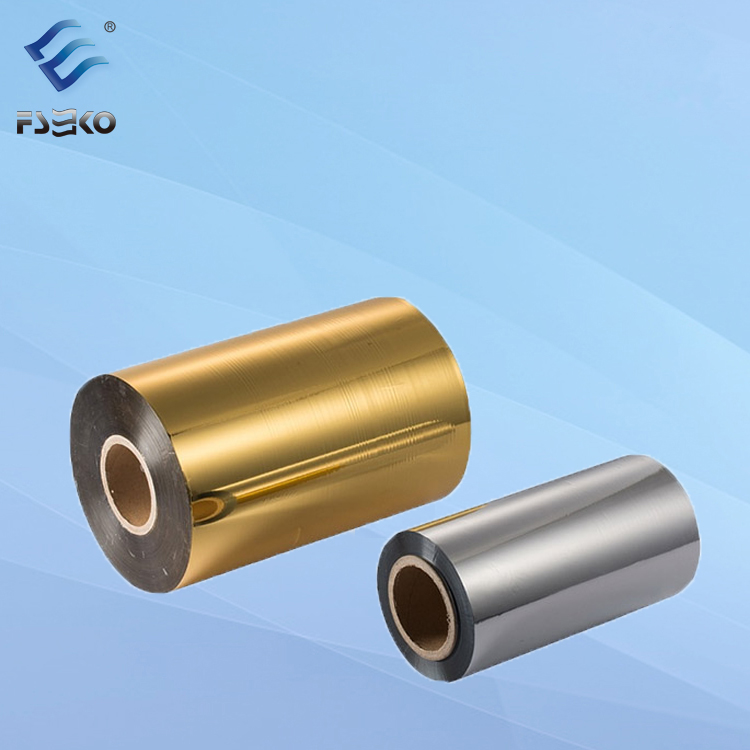
Walk into any commercial print shop and look at the lamination equipment. Chances are, the machines come from a handful of major manufacturers, and the film rolls on them look similar at first glance. But the similarity ends there. The relationship between roll width, core diameter, and machine compatibility is one of those details that production teams either nail on the first try or spend hours troubleshooting. Heat lamination roll custom size isn’t a luxury—it’s a practical requirement for shops running diverse substrates, multiple press widths, and varied finishing workflows. The global shift toward digital printing has only amplified this need, as shorter runs and faster changeovers demand films that fit the equipment precisely, without the waste and frustration of trimming or adapting standard sizes.
Machine Compatibility: The Non-Negotiable
Every laminating machine has specific requirements for roll width, core size, and maximum roll diameter. Using a roll that doesn’t match these specifications creates problems that range from annoying to catastrophic. A roll that’s too wide won’t fit the machine at all. A roll that’s too narrow leaves unprotected edges or requires manual alignment that slows production. Core diameter mismatches prevent the roll from mounting properly on the unwind shaft, leading to slippage, uneven tension, and wrinkled film. These aren’t hypothetical issues—they’re daily realities in shops that try to make do with off-the-shelf film sizes. One production manager in the Midwest described the cost of mismatched rolls as “death by a thousand cuts,” with every adjustment and workaround eating into the margin on every job.
Material Waste and the Hidden Cost
Custom sizing isn’t just about making the film fit—it’s about making the film work efficiently. When a roll is wider than the substrate being laminated, the excess film gets trimmed and discarded. That waste adds up quickly, especially on high-volume production runs. A difference of just a few centimeters in roll width can translate into a measurable percentage of material waste over the course of a year. Conversely, a roll that’s precisely matched to the substrate width eliminates that waste entirely. The math is straightforward: less waste means lower material cost per finished piece, which improves margin without requiring any change in selling price. Shops that have made the switch to custom-sized rolls consistently report material savings that more than offset any minimum order requirements or setup costs.
A Shop That Did the Math
A commercial printer in the Southeast running a mix of book covers, packaging, and point-of-purchase displays decided to audit its lamination material usage over a six-month period. The shop had been using standard-width rolls and trimming the excess on every job. The audit revealed that material waste from overwidth rolls averaged roughly 8% of total film consumption. That 8% represented a significant annual expense—money spent on film that never made it onto a finished product. The shop approached a film manufacturer about custom-width rolls matched to its most common substrate sizes. The switch required a modest minimum order commitment, but the waste reduction brought total film costs down by a meaningful margin. The production manager noted that the real benefit wasn’t just the cost savings—it was the elimination of the trimming step, which saved labor time and reduced the risk of edge defects caused by uneven cutting.
The Length Question
Width gets most of the attention in conversations about custom sizing, but roll length matters just as much. Longer rolls mean fewer changeovers, which translates into less downtime and higher throughput. For shops running high-volume digital presses, the difference between a 500-meter roll and a 2,000-meter roll can be hours of production time saved per week. However, longer rolls aren’t always the right choice. Shops that run frequent job changes or handle a wide variety of substrates may prefer shorter rolls that allow for faster changeovers between jobs. The optimal length depends on the specific production mix, and custom sizing lets shops dial in the right balance rather than accepting whatever the standard catalog offers.
Thickness and Its Implications
Thickness is another dimension where custom options matter. Thermal lamination films typically range from around 75 to 350 micrometers, and the right thickness depends on the application. Thicker films offer more protection and rigidity but can be harder to feed through certain machines. Thinner films are more flexible and economical but may not provide the durability required for high-wear applications. Custom thickness options allow shops to match the film to the job rather than the other way around. A packaging job that needs extra durability might call for a thicker film; a high-volume brochure run might benefit from a thinner, more cost-effective option. The ability to specify thickness alongside width and length gives production teams control over both performance and cost.
The Core Diameter Detail
Core diameter—typically 1 inch, 2.25 inches, or 3 inches—is one of those small details that can bring a production line to a halt if specified incorrectly. The core must match the machine’s unwind shaft precisely. A core that’s too small won’t fit; one that’s too large will spin freely, causing tension problems and uneven lamination. Custom sizing includes core diameter as a standard specification, ensuring that the roll mounts correctly and runs smoothly from start to finish. This might seem like a basic requirement, but shops that have received incorrectly cored rolls know how disruptive the problem can be. A single mismatched core can idle a laminator for hours while a replacement is sourced.
Why Customization Signals Supplier Quality
A supplier’s ability to offer custom sizing often correlates with overall manufacturing capability. Producing custom widths, lengths, thicknesses, and core diameters requires flexible production lines, precise slitting equipment, and robust quality control. Suppliers who can handle custom specifications are generally better equipped to maintain consistency across their entire product range. The customization capability signals investment in equipment and process control—the same investments that drive batch-to-batch repeatability and adhesive consistency. For buyers, the availability of custom sizing is a useful proxy for supplier quality: if a manufacturer can’t deliver a custom width, it’s worth questioning whether they can deliver consistent quality at all.
Making the Case for Custom
The argument for custom-sized heat lamination rolls comes down to a simple proposition: the right size for the job delivers better results at lower total cost. Less waste, fewer changeovers, smoother machine operation, and consistent quality across the run—these benefits compound over time. Suppliers like EKO offer customization across width, length, thickness, and core diameter, with options that accommodate a wide range of equipment and applications. The company’s export footprint across more than a hundred countries reflects an understanding that printing operations vary widely, and that one-size-fits-all solutions rarely fit anyone well. For production teams tired of trimming, adjusting, and compromising, custom sizing isn’t just a convenience—it’s a competitive advantage.