 EN


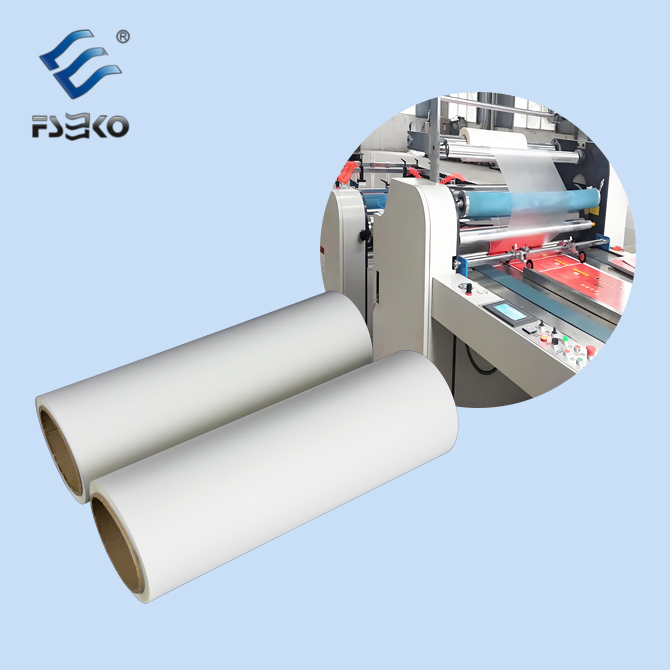
Optical Mechanism Behind High-Gloss Precoated Lamination
High gloss precoated film delivers its signature polished look through consistent light reflection across the laminated surface. Standard paper stock carries micro unevenness that scatters incoming light, muting printed tones and softening edge definition. The precoated structure locks a thin, uniform adhesive layer onto the base film during manufacturing, so the finished surface sits flatter once bonded to the substrate. When measured at the common 60-degree test angle, premium high-gloss grades register higher gloss values compared to standard laminating options, following widely accepted optical testing guidance for print finishing materials. This uniform reflection does not just add shine. It amplifies color saturation by reducing light loss into paper pores, letting ink tones read deeper and graphic details stay sharp from multiple viewing angles. Small inconsistencies in coating spread become far more visible on a glossy surface, which separates dependable precoated stock from budget alternatives with inconsistent surface flatness.
Key Performance Gains Over Conventional Wet Lamination
Many converting teams switch to high gloss precoated film after repeated struggles with wet glue workflows. Wet lamination systems meter liquid adhesive on-site, which introduces extra variables: glue viscosity fluctuations, uneven spread, solvent evaporation timing and cleanup residue on rollers. Precoated film carries heat-activated adhesive already integrated to the film substrate, removing liquid glue handling entirely from the finishing line. The table below lays out core performance differences observed across typical converting runs.
| Metric | High Gloss Precoated Film | Wet Lamination Gloss Finish |
|---|---|---|
| Adhesive Application | Factory pre-coated, consistent coat weight | Applied on press, subject to variation |
| Roller Contamination Risk | Low, minimal adhesive transfer | Higher, frequent cleaning required |
| Susceptibility to Silvering | Lower with properly calibrated heat and pressure | Higher, sensitive to ink coverage and moisture |
| Changeover Complexity | Faster between jobs | Slower, glue system adjustments needed |
| VOC Output | Minimal | Noticeable from solvent-based adhesives |
One converting facility operating in a humid southern region tracked defect rates while swapping between wet lamination and precoated high gloss stock. The team noted fewer silvering patches and edge lifting incidents after shifting to qualified precoated film, especially on heavy toner coverage jobs that had historically created rework batches. The shift did not eliminate all defects, but it narrowed the range of variables operators needed to control during each run.
How Precoated Formulation Controls Common Gloss Defects
Glossy finishes expose every tiny flaw, so formulation choices directly shape final yield. Silvering, orange peel texture and trapped micro bubbles rank among the most frequent complaints on high-gloss lamination work. Silvering appears as faint milky haze where adhesive fails to fully wet the printed ink layer. Orange peel forms when adhesive flows unevenly under heat and pressure, creating subtle undulations that distort reflection. A well-engineered high gloss precoated film balances adhesive flow and set time. It softens enough under standard laminating heat to conform to the print surface, yet sets quickly enough to avoid excessive flow and rippling. Film makers tune the adhesive rheology to match common laminator speed windows, rather than forcing operators to run narrow, fragile process windows. Even with good film stock, substrate moisture remains a major factor. Moisture trapped inside paper can release under the nip roller and disrupt adhesion, regardless of film quality.
Compatibility With Downstream Converting Operations
A high-gloss laminate must hold up through cutting, scoring, folding and post processes such as foil application or UV spot coating. Brittle film layers crack along score lines, while poorly bonded film lifts at die-cut edges. Reliable high gloss precoated film maintains flexible adhesion after bonding, without sacrificing surface gloss stability. Operators report fewer cracking issues when the film’s base layer and precoated adhesive share matched thermal shrink properties. Mismatched shrink rates create internal stress once the laminated sheet cools, which shows up as curl or edge delamination days after finishing. Compatibility testing should include the full stack of print, ink and substrate, not just standalone film testing. Some high-gloss products deliver brilliant shine on plain coated stock but struggle on heavy coverage digital toner prints, because surface energy and ink composition alter wetting behavior.
Practical Limits to Keep In Mind for High-Gloss Lamination
High gloss precoated film is not a universal upgrade for every finishing job. Strong directional reflection creates glare under direct overhead lighting, which can make small text harder to read in retail display settings. Fine surface scratches also stand out more clearly on glossy surfaces than on matte alternatives. These traits mean high-gloss laminates fit certain visual goals better than others. Substrate thickness matters too. Very thin lightweight stocks tend to curl more after lamination, even with stable precoated adhesive. Operators need to balance nip pressure, line speed and temperature rather than relying on the film alone to fix unstable paper stock. It is also worth noting that high-gloss clarity depends on clean handling before lamination. Dust, oil marks and static debris trapped at the interface will remain visible once bonded, with the glossy surface amplifying those marks.
Process Tuning Tips for Stable High-Gloss Results
Consistent output comes from tuning three linked variables: heat, nip pressure and line speed. Temperature activates the precoated adhesive. Too low, and wetting stays incomplete, creating silvering. Too high, and adhesive overflows, causing streaks or roller buildup. Pressure drives contact across the sheet, closing micro air gaps between film and print. Speed sets how long the stack stays inside the heated nip zone. Minor adjustments to one variable usually require a matching tweak to another. A moderate speed increase often needs a small temperature bump to preserve full adhesive activation. Operators should run short test strips with the actual job substrate and ink before starting full runs, documenting settings that deliver uniform DOI, or distinctness of image, readings. EKO maintains tight coating uniformity and consistent adhesive performance for its precoated film lines, supporting stable high-gloss lamination across varied print finishing environments.
Table of Contents
- Optical Mechanism Behind High-Gloss Precoated Lamination
- Key Performance Gains Over Conventional Wet Lamination
- How Precoated Formulation Controls Common Gloss Defects
- Compatibility With Downstream Converting Operations
- Practical Limits to Keep In Mind for High-Gloss Lamination
- Process Tuning Tips for Stable High-Gloss Results