 EN
EN

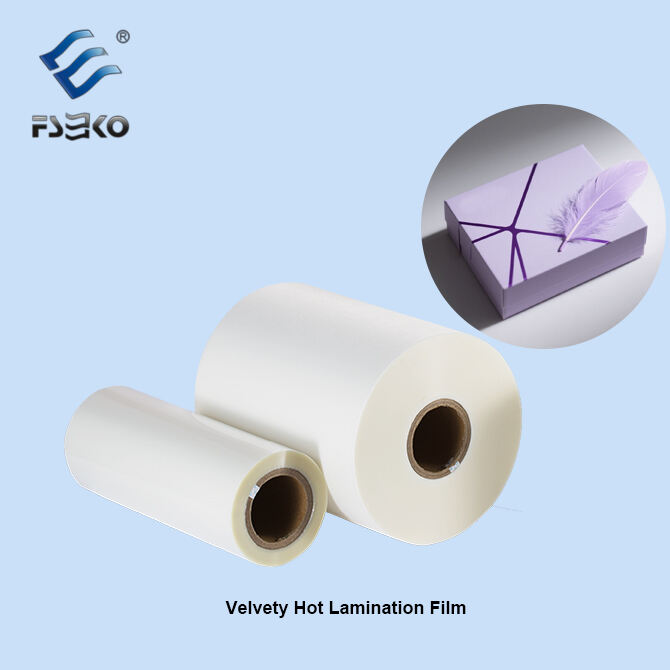
In the fast-evolving world of printing and packaging, digital velvety film has emerged as a game-changing material, redefining the standards of tactile and visual appeal for printed products. Unlike traditional lamination films that focus only on protection or basic finish, digital velvety film combines advanced digital compatibility with a luxurious velvet-like texture, making it a top choice for high-end branding, premium packaging, and professional print projects. What truly sets digital velvety film apart is its unique blend of technical performance, sensory experience, and adaptability to modern digital printing workflows—traits that make it stand out in a crowded market of lamination solutions.
Unmatched Tactile and Visual Aesthetics
The core allure of digital velvety film lies in its distinctive surface finish. Crafted with micro-engineering technology, the film delivers a soft, smooth velvet touch that engages the sense of touch, creating a memorable sensory experience for consumers. Visually, it produces a matte, non-glare surface that enhances the depth of printed colors, making logos, graphics, and text appear richer and more sophisticated without the harsh reflections of glossy films. This aesthetic advantage is invaluable for brands aiming to elevate their product packaging, marketing collateral, or luxury print materials, as digital velvety film transforms ordinary prints into premium, high-end pieces that leave a lasting impression. Unlike conventional velvety materials that are hard to print on, digital velvety film is optimized for digital printing processes, ensuring that the velvet texture remains intact while preserving the sharpness and vibrancy of digital prints.
Superior Compatibility with Digital Printing Workflows
One of the most critical special features of digital velvety film is its seamless compatibility with all modern digital printing technologies, including inkjet, laser, and digital toner printing. Traditional velvety laminates often require complex pre-treatment or are limited to offset printing, creating bottlenecks for businesses that rely on fast, on-demand digital printing. Digital velvety film is engineered with a special adhesive layer and surface coating that bonds perfectly with digital inks and toners, preventing smudging, peeling, or color fading after lamination. It also supports high-resolution digital printing, ensuring that fine details—such as intricate patterns, small text, or gradient colors—are preserved with precision. This compatibility means businesses can leverage their existing digital printing equipment to create velvety-finished products without additional investments, streamlining production and reducing turnaround times.
Exceptional Durability and Protective Qualities
Beyond its aesthetic and technical benefits, digital velvety film offers robust protection for printed materials, matching the durability of standard thermal lamination films while adding its unique texture. The film is resistant to scratches, scuffs, and minor moisture damage, making it ideal for products that face regular handling—such as retail packaging, book covers, or promotional cards. Its thermal lamination properties ensure a strong, permanent bond with paper and cardstock substrates, eliminating edge lifting and ensuring long-term performance. What makes this even more special is that the protective features do not compromise the velvety texture; the film remains soft and tactile even with its durable construction, striking the perfect balance between form and function.
Customization and Versatility for Diverse Applications
Digital velvety film stands out for its remarkable versatility and customization options, catering to the unique needs of different industries and projects. It is available in a range of thicknesses, from thin films for delicate paper products to heavy-duty options for rigid packaging, allowing businesses to select the perfect fit for their application. Additionally, it supports custom cutting, sizing, and even personalized surface treatments, such as anti-scratch or anti-fingerprint coatings, to meet specific project requirements. From luxury cosmetic packaging and high-end greeting cards to corporate brochures and retail hangtags, digital velvety film adapts effortlessly to diverse use cases, making it a flexible solution for both small-batch custom projects and large-scale production runs.
In summary, digital velvety film is far more than a decorative lamination material—it is a technologically advanced solution that marries aesthetic excellence with practical performance. Its unique velvet texture, seamless digital printing compatibility, durable protection, and versatile customization options make it a special choice for businesses looking to differentiate their printed products in a competitive market. As digital printing continues to dominate the industry, digital velvety film will remain a key innovation, empowering brands to create prints that are not only visually stunning but also tactilely unforgettable.