 EN
EN


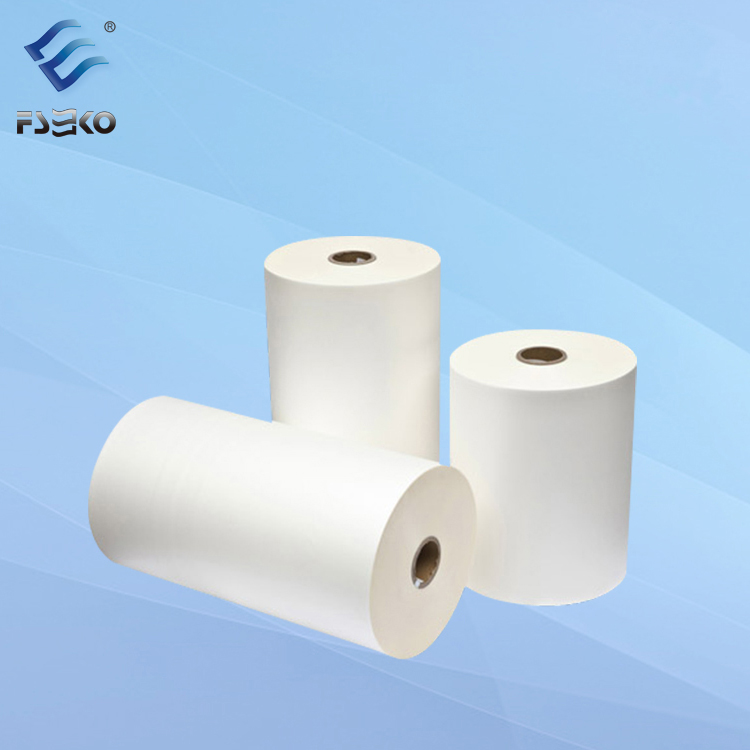
Composition and Manufacturing of BOPP Thermal Lamination Film
What Is BOPP Thermal Lamination Film? Definition and Core Components
BOPP thermal lamination film, also known as Biaxially Oriented Polypropylene, serves as a protective cover for printed materials while enhancing their appearance. Made mostly from polypropylene resin, the production involves stretching the material in two directions at once - along the machine direction and across it too. This special stretching process gives the film extra strength, keeps it clear, and maintains its shape even when things get rough. What we end up with is basically a clear plastic layer combined with an adhesive that activates when heated. Apply some heat and pressure, and voila! The adhesive sticks firmly to papers and cardboard, creating a tough transparent barrier that makes printed stuff last longer and look better overall.
From Polypropylene to Finished Film: The Manufacturing Process
Making BOPP thermal lamination film starts when manufacturers push polypropylene resin through what's called a flat die, creating a long sheet that gets cooled down fast so it hardens properly. What happens next is pretty interesting - they stretch this sheet out first along the length of the machine, then across it too, all while keeping temperatures just right so those polymer molecules line up nicely. This stretching process in two directions gives the film some serious strength, makes it look clearer, and helps prevent tears during handling. Once stretched, technicians carefully check and adjust the thickness throughout the whole roll to make sure everything stays consistent. They also apply special treatments that help things stick better later on, plus coat the surface with something that activates when heated. The last part involves cutting the big rolls into specific sizes customers need, wrapping them around core tubes, and running thorough checks at every stage to maintain quality from one batch to the next.
Surface Treatments (Corona and Flame) for Improved Adhesion
For good bonding when laminating, manufacturers typically treat BOPP films with either corona or flame treatment processes. Corona treatment works by applying high voltage electricity which raises the surface energy of the film material. This helps the adhesive stick better because it wets out more evenly on the surface. Flame treatment is another option, especially for those thicker gauge films. It involves passing the material through a controlled flame that changes how the surface chemistry behaves. Both approaches basically roughen up the surface at a microscopic level and add these special chemical groups that help things stick together. Without proper treatment, we'd see all sorts of problems like bubbles forming between layers when working with different types of printing materials and various ink formulations.
The Lamination Process: How Heat and Pressure Activate BOPP Film
Understanding Thermal Lamination: Role of Heat and Pressure
When thermal lamination is used, it basically activates BOPP film by applying just the right amount of heat and pressure. The heat makes the adhesive layer soften up so it can spread out and stick to whatever surface it's being applied to. At the same time, pressure helps everything make good contact and gets rid of those annoying air bubbles that sometimes form. Most people find that the best results happen when temperatures are somewhere around 240 to 300 degrees Fahrenheit, which translates to about 95 to 110 degrees Celsius. Pressure levels usually need to be between 30 and 50 pounds per square inch, though this can vary depending on how thick the film is and what kind of material we're laminating. What happens next is pretty interesting – the adhesive becomes runny enough to bond quickly with things like paper and cardboard within just 2 to 5 seconds. And speaking of speed, the whole process generally finishes in under 20 seconds per document. That makes thermal lamination roughly 40 percent quicker compared to cold lamination methods, which is why many businesses prefer it when they need to handle large print volumes day after day.
Adhesive Bonding Mechanism in BOPP Thermal Lamination
Bonding works because when we apply heat, the adhesive gets less thick and starts penetrating into the tiny holes and rough spots on whatever surface we're sticking to. This creates what engineers call a mechanical interlock between materials. Once everything cools down, this stuff hardens into something really strong lasting bonds that can handle forces around 4 Newtons per square centimeter according to recent research from Material Science Review back in 2023. What kind of glue we use makes all the difference too. Different formulas affect how bendy it stays after drying, whether it stays clear or turns cloudy, and how well it stands up against things like moisture or UV light. Getting the right temperature during application matters a lot. If there isn't enough heat, the adhesive won't spread properly throughout those micro spaces. But go overboard with heating and bad things happen - the adhesive might break down chemically or form bubbles that weaken the final bond.
Optimizing Temperature and Pressure for Maximum Lamination Quality
Getting good lamination results means finding the right mix of heat and pressure based on what kind of film thickness we're working with and the material underneath it. Most standard films around 1.2 to 2.0 mils work well when heated between roughly 95 and 110 degrees Celsius with average pressure applied. Thicker materials generally need a bit more heat and force though. But watch out—if things get too hot or too tight, problems start happening fast. We've seen jobs ruined by overheated spots, unsightly wrinkles forming, or worse yet, adhesive getting squeezed out completely which ruins the whole look. That's why most film makers publish detailed specs for their products. These recommendations help keep everything looking smooth and professional without bubbles messing up the appearance. Stick to them closely and the end product will stick properly, maintain clarity, last longer, and won't risk harming delicate printed graphics during the process.
Protective Properties of BOPP Film: Defense Against Environmental Damage
Moisture, UV, and Scratch Resistance for Long-Lasting Prints
Thermal lamination using BOPP film gives printed materials solid defense against those environmental factors that ruin print quality. What makes it work so well is the tight molecular structure that stops moisture from getting through. This means water vapor can't penetrate the film, which protects whatever's underneath when exposed to humidity or damp conditions. Another big plus is how it stands up to UV light. Prints stay vibrant longer because the inks aren't breaking down under sunlight exposure that normally causes colors to fade and paper to turn yellow. The surface of BOPP film is pretty tough too, so it resists scratches even after lots of handling. Brochures, posters, and other important documents keep looking sharp and professional for much longer periods. For businesses concerned about keeping their marketing materials looking good, this combination of features really pays off in the long run.
Film Thickness and Durability: Choosing the Right Grade for Use
The thickness of BOPP lamination film really makes a difference in how well it protects whatever gets covered. Most common options fall somewhere between 1.2 and 3.0 mils thick. The thinner stuff, around 1.2 to 1.5 mils, works fine for things that don't get handled much, like regular office papers or simple brochures sitting on a table. When we move up to medium weight films at 1.5 to 2.0 mils, these handle daily wear better. Think restaurant menus that get flipped through all day, ID badges worn constantly, or those fancy presentation folders everyone grabs during meetings. For the heavy hitters, anything from 2.0 to 3.0 mils is what professionals reach for when they need something that can stand up to rough treatment. Construction sites often use these thicker films for their warning signs, factories rely on them for durable product labels, and eco-conscious companies love them for reusable packaging solutions. Picking the right gauge isn't just about getting protection either it's finding that sweet spot where the material stays flexible enough to work with but still saves money in the long run.
Balancing Longevity and Environmental Impact: Biodegradability Debate
BOPP film definitely helps products last longer, though there's still the matter of what happens to it after disposal. Regular BOPP won't break down naturally, but can go into recycling bins if properly separated from other materials stuck to it. Facing pressure from consumers wanting greener options, companies have started working on alternatives like special laminates that actually get recycled, plant based plastics, and thinner films that cut down on material usage while keeping their strength intact. Better recycling facilities and smarter packaging designs are making a real difference in cutting down waste. Manufacturers keep coming up with new approaches, trying to maintain BOPP's famous toughness while meeting today's demand for eco friendly packaging across all industries.
Real-World Applications and Long-Term Benefits of BOPP Thermal Lamination
Extending Product Lifespan in High-Use Environments
Thermal lamination using BOPP film really extends how long printed stuff lasts when put through tough conditions. We see this benefit across all sorts of applications like store displays that get touched constantly, labels on factory equipment exposed to harsh chemicals, and outdoor signs battered by weather. The surface just doesn't wear down as fast. Some tests indicate that packaging with this kind of lamination stays looking good and holding together about three times longer compared to regular non-laminated versions. That means fewer replacements needed over time which keeps costs down. For companies that depend on their printed materials staying presentable for months or even years, this kind of durability makes all the difference in their bottom line.
Case Study: BOPP-Laminated Menus in Restaurant Chains
Most restaurant chains find that BOPP lamination makes all the difference for their menus. The laminated ones hold up against coffee rings, sauce splatters, and the inevitable wear and tear from hundreds of customers flipping through them every day. Colors stay bright and text remains legible even after months of being wiped down with harsh cleaning solutions. According to industry data, these menus typically last around two to three years before needing replacement, whereas regular paper menus tend to get tossed out every few months at most. What really matters is how the moisture barrier stops pages from curling up or getting ink smudged when someone grabs a menu during peak hours. This means less money spent on printing new copies and better looking tables throughout busy dinner service times. For anyone running a restaurant, investing in good quality lamination turns out to be much cheaper than constantly replacing damaged menus.
Key Industries Using BOPP Thermal Lamination: Packaging, Publishing, and Branding
Thermal lamination using BOPP films has become pretty much standard practice in packaging, publishing, and branding circles because it offers both protection and looks good too. When it comes to packaging applications, this process makes things last longer and keeps moisture out of food labels and other consumer products. Plus, many BOPP laminates can actually be recycled which is a big plus these days. Book publishers love applying it to covers, magazines, and catalogs since it stops them getting damaged so quickly. Materials stay looking fresh on store shelves much longer, and customers tend to notice that quality difference. For branding folks working on marketing materials, adding BOPP lamination gives business cards, brochures, and posters that extra professional sheen people respond to visually and physically. The numbers back this up too – the worldwide market for BOPP films is expanding around 6.2 percent each year. As companies continue seeking ways to make their printed materials stand out while still being practical, we're likely going to see even more creative uses of BOPP thermal lamination across different sectors.
FAQs
What makes BOPP thermal lamination film unique?
BOPP thermal lamination film is unique due to its biaxial orientation which provides extra strength and clarity. The film's ability to maintain its shape even in rough handling conditions, combined with its effective adhesive properties when heat is applied, differentiates it from other films.
How does the lamination process work with BOPP film?
The lamination process with BOPP film involves applying heat and pressure, which activates the adhesive layer of the film. This causes it to bond tightly to surfaces like paper or cardboard, creating a durable and long-lasting protective layer.
Is BOPP film environmentally friendly?
While traditional BOPP film is not biodegradable, it can be recycled if properly separated from other materials. Manufacturers are exploring greener options such as recyclable laminates, plant-based plastics, and thinner films to address environmental concerns.
What industries commonly use BOPP thermal lamination?
BOPP thermal lamination is widely used in packaging, publishing, and branding industries due to its protective qualities and aesthetic appeal. It's applied in packaging to extend product life, in publishing for cover protection, and in branding to enhance visual appeal.