 EN
EN


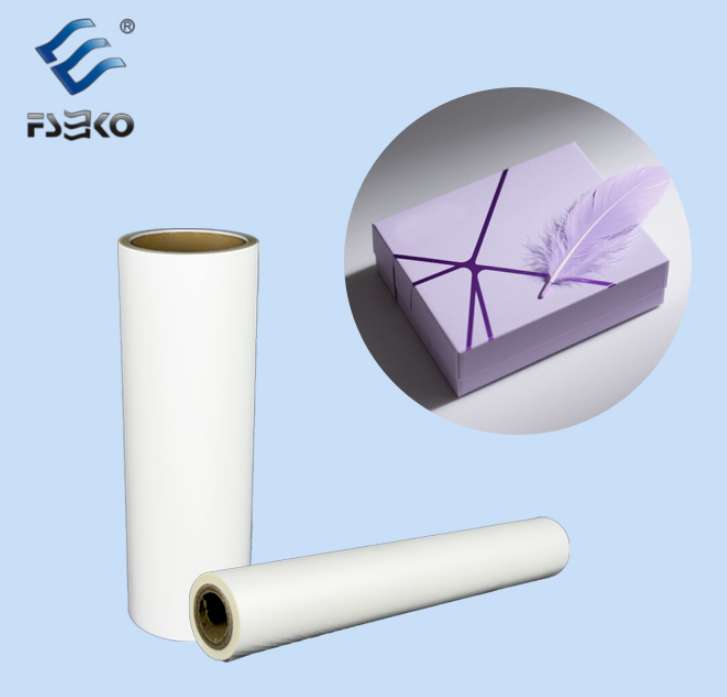
Why Soft Touch Lamination Film Drives Premium Brand Perception
The Neuroscience of Touch: How Soft Touch Triggers Luxury-Associated Neural Responses
Touch is the first sense consumers use when evaluating packaging—processing tactile cues up to 50% faster than visual ones. Soft touch lamination film leverages this primacy by delivering a velvety, matte hand that activates the orbitofrontal cortex, the brain’s reward and desire center. This neural response mirrors the sensation of touching silk or premium paper, instantly signaling quality and exclusivity. As documented in Journal of Consumer Psychology, soft, non-reflective surfaces reduce cognitive resistance and increase perceived trustworthiness—making luxury claims feel intuitive rather than aspirational. For high-end brands, this subconscious alignment between texture and value forms an emotional bridge before the customer even reads the label. The result is a silent, consistent ambassador of prestige—one that reinforces brand positioning through every point of physical contact.
Real-World Impact: Data-Backed Uplifts in Engagement, Shelf Dwell Time, and Conversion
That neurological advantage translates directly into commercial performance. Independent retail audits across beauty and fashion categories show products with soft touch lamination film achieve up to 30% longer shelf dwell time—shoppers instinctively pause to feel the surface. This extended engagement correlates strongly with purchase intent: brands report 15–20% uplifts in conversion after adopting the finish. Crucially, the same audits reveal lower return rates and higher repeat purchase frequency, driven by heightened perceptions of durability and craftsmanship. The film’s protective layer also minimizes scuffs and abrasions during transit—preserving the pristine presentation essential for premium pricing. By unifying sensory appeal with functional resilience, soft touch lamination film delivers measurable ROI—not just in margin lift, but in long-term customer loyalty.
Soft Touch Lamination Film: Material Options, Performance, and Application Fit
PU vs. PET vs. Specialty Anti-Slip Films: Tactile, Durability, and Sustainability Trade-offs
Selecting the right soft touch lamination film hinges on aligning material properties with brand priorities—whether luxury perception, longevity, or practical functionality. Three primary options dominate the market: polyurethane (PU), polyester (PET), and specialty anti-slip films. Each presents distinct trade-offs across tactile experience, durability, and environmental impact.
| Property | PU Film | PET Film | Anti-Slip Film |
|---|---|---|---|
| Tactile feel | Ultra-soft, velvety, premium hand | Smooth, consistent matte finish | Textured, grippy surface |
| Durability | Good initial feel; prone to fine scratching over time | High abrasion resistance; maintains appearance under handling | Engineered for repeated grip and stacking—excellent wear resistance |
| Sustainability | Limited recyclability; often incompatible with standard PET streams | Recyclable variants widely available from suppliers like Toray and Toppan | Additives (e.g., silica) typically hinder mechanical recycling pathways |
| Cost | Premium | Moderate | Moderate to high |
PU remains the benchmark for luxury tactility—ideal for limited-edition cosmetics or high-end apparel boxes where first impression is paramount. PET offers the strongest balance of performance, cost, and sustainability, especially when sourced as certified recyclable film. Anti-slip variants excel where ergonomics matter most: product sleeves, gift sets, or tech accessories requiring secure handling. The optimal choice isn’t universal—it’s strategic, rooted in how the package will be touched, used, and remembered.
Strategic Implementation Across Luxury Verticals
Fashion, Beauty, and Tech Packaging: Sector-Specific Design Principles for Soft Touch Lamination Film
Soft touch lamination film elevates premium packaging—but its impact multiplies when applied with vertical-specific intentionality. In fashion, the finish echoes the drape and texture of fine fabrics, turning unboxing into a multisensory ritual. Leading labels pair full-coverage soft touch lamination with spot UV gloss on logos or monograms, using contrast—not clutter—to signal distinction. Beauty packaging benefits from the film’s glare-free matte surface, which conveys clinical sophistication while resisting smudges from skin oils—a critical advantage for in-store sampling. Designers apply it selectively to rigid boxes and compacts, ensuring integrity without compromising print fidelity. In tech, where fingerprint visibility and structural rigidity are non-negotiable, thin-gauge PET-based soft touch lamination provides a satin grip that enhances usability under bright retail lighting—without adding bulk. Across all sectors, precision application—such as treating only lid panels or logo zones—delivers maximum perceptual impact at optimized cost. The guiding principle remains constant: let restraint amplify resonance. Let the product speak—and let soft touch ensure it’s heard.
Future-Proofing Brand Aesthetics with Soft Touch Lamination Film
As digital saturation deepens, tactile differentiation becomes increasingly rare—and increasingly valuable. Soft touch lamination film is not a trend; it’s a foundational element of enduring brand equity, offering a sensory signature no screen can replicate. Advancements are accelerating: next-generation formulations now deliver enhanced scratch resistance (per ASTM D3363 testing), improved adhesion on challenging substrates like metallized board, and bio-based PU alternatives entering commercial production. When layered with complementary techniques—foil stamping, debossing, or micro-embossing—the finish evolves into a dynamic, multi-sensory language capable of adapting to shifting aesthetics without redesigning entire packaging systems. For brands committed to authenticity, longevity, and quiet confidence, soft touch lamination film is more than a surface treatment. It’s a long-term investment in how customers feel—not just about the product, but about the values it represents.