 EN
EN


The Digital Print Finishing Bottleneck
Digital printing presses have gotten remarkably good at laying down toner and ink. HP Indigo units, dry-toner engines from Canon and Xerox, and high-speed inkjet systems can now produce image quality that rivals offset—often at shorter run lengths and with variable data capabilities that offset simply cannot match. But here is the catch: the finishing stage frequently becomes the bottleneck. A gorgeous digital print that delaminates, scratches, or yellows within months undermines the entire investment.
The problem is not merely aesthetic. A print shop in Chicago running a high-volume direct mail campaign discovered that nearly 8% of their output was being rejected by the client due to adhesion failure after lamination. The film looked fine coming off the laminator, but within 48 hours, the edges started lifting on heavy ink coverage areas. That is the kind of issue that does not show up in a quick quality check—it shows up when the client is already stuffing envelopes.
Selecting the right digital lamination film requires looking beyond the basic glossy/matte binary. The substrate, the ink chemistry, the expected handling environment, and even the laminator's temperature profile all factor into the decision. Here is a framework for making that choice without guesswork.
Base Film Chemistry: BOPP, PET, and Beyond
Most thermal lamination films start with a base layer that provides structural integrity. Biaxially oriented polypropylene (BOPP) dominates the general-purpose segment for good reason. It offers excellent optical clarity, good tensile strength, and a cost structure that makes it viable for high-volume work. BOPP films typically run between 17 and 27 microns in thickness, with widths available from 300mm up to 2210mm and roll lengths extending to 4000 meters.
Polyethylene terephthalate (PET) films enter the picture when the application demands higher heat resistance or dimensional stability under stress. PET handles temperatures up to 150°C without significant degradation, whereas BOPP starts to soften and shrink beyond the 130–140°C range. For rigid signage, automotive graphics, or any application where the finished piece might see elevated temperatures during transit or use, PET warrants serious consideration.
Specialty base materials also exist. Non-plastic thermal lamination films have gained traction among printers responding to corporate sustainability mandates. These films provide comparable protection while addressing the plastic-reduction targets that many brand owners now publish in their annual reports. The trade-off typically involves slightly different handling characteristics and, in some cases, a narrower operating temperature window.
Adhesive Systems and Digital Compatibility
The adhesive layer is where digital lamination films diverge most sharply from their conventional counterparts. Traditional thermal films use EVA (ethylene-vinyl acetate) adhesives that activate reliably on offset-printed sheets. Digital printing introduces complications: silicone fuser oils, heavy toner piles, and inkjet formulations that leave low-surface-energy residues on the substrate surface.
Standard adhesives often fail to wet out properly on these surfaces. The result is what operators call "orange peel"—a textured, uneven appearance—or outright delamination along the edges of heavy ink coverage.
Super-sticky adhesive formulations address this specifically. These films use modified EVA or hybrid adhesive chemistries that penetrate the silicone layer and establish a mechanical bond with the toner particles themselves. A packaging converter in the Midwest switched from a standard BOPP film to a super-sticky digital grade for their HP Indigo 12000 runs and cut their rejection rate from over 5% to under 0.5% within the first production week. The film cost more per square meter, but the scrap savings more than compensated.
For inkjet printing, the adhesive requirements shift again. Aqueous, solvent, and UV-curable inks each present different adhesion challenges. Films engineered for inkjet applications often incorporate proprietary primers that chemically compatibilize with the ink layer during the heat activation cycle. This reduces the incidence of haze and delamination that plague generic films on inkjet substrates.
Glossy, Matte, and the Middle Ground
Finish selection is not merely about visual preference. Glossy films amplify color saturation and contrast, making images appear more vibrant and punchy. For point-of-purchase displays, retail packaging, and any application where the piece needs to grab attention from a distance, glossy remains the default choice.
Matte films, conversely, eliminate glare and provide a sophisticated, understated appearance. The trade-off is a slight reduction in perceived color saturation. Matte finishes also tend to hide fingerprints and minor scuffs more effectively than glossy surfaces. For presentation folders, annual reports, and any material viewed under variable lighting conditions, matte often delivers better readability.
A third category—soft-touch films—has emerged as a premium option. These provide a velvety, almost rubbery tactile experience that signals quality through touch, not just sight. Cosmetic packaging, luxury gift boxes, and high-end corporate collateral frequently specify soft-touch finishes to differentiate from mass-market competitors.
Anti-Scratch and Specialty Considerations
Standard films offer baseline protection against handling damage, but certain applications demand more. Anti-scratch thermal lamination films incorporate hard coatings that resist abrasion from repeated contact. These are not merely thicker versions of standard films—they use functional additives that increase surface hardness without compromising flexibility.
A textbook publisher found that switching to anti-scratch film on their K-12 science manuals extended the usable life of each volume by nearly two full school years. The upfront cost increase was marginal compared to the replacement expense avoided.
Thickness also plays into durability. Digital thermal films are available in thicknesses from 20 to 30 microns, with thicker variants providing greater mechanical protection. Heavier films, however, add stiffness that can affect the finished piece's feel and may require adjustments to the laminator's nip pressure and temperature settings.
Making the Final Call
No single film solves every problem. The right choice depends on the printing technology, the substrate, the handling environment, and the aesthetic requirements of the finished piece. Run a small batch before committing to a full roll. Adjust temperature and speed settings incrementally. Document what works.
Manufacturers with ISO 9001 certification and established quality control processes provide a baseline of consistency that smaller, unbranded suppliers often cannot match. Production facilities that maintain rigorous raw material selection and in-process inspection reduce the variability that causes unexpected failures.
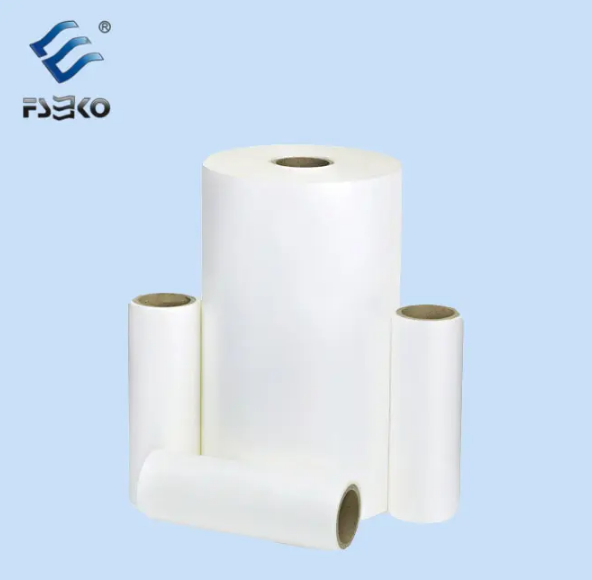
Companies like EKO Film have built their reputation on understanding these nuances, offering a range of digital thermal lamination films that span glossy, matte, soft-touch, anti-scratch, and non-plastic variants. Their manufacturing capabilities include thicknesses from 17 to 30 microns, widths up to 2210mm, and roll lengths up to 4000 meters, with super-sticky adhesive options specifically formulated for HP Indigo and dry-toner digital presses. The combination of production scale and technical specialization makes them a reference point in the digital finishing space.