 EN
EN


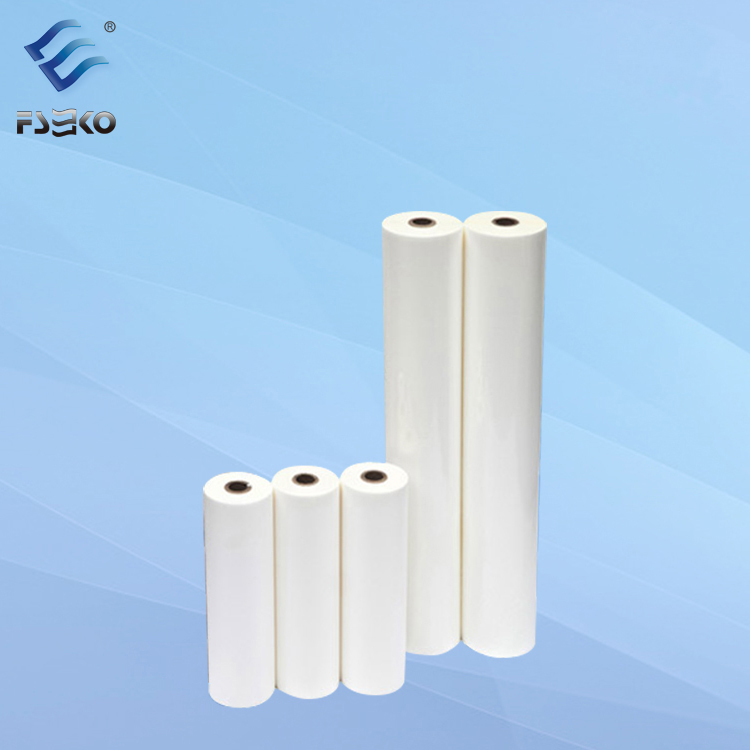
كيف يعمل فيلم التصفيح الساخن: العلم والبنية والعملية
التركيب الأساسي: قاعدة البوليستر وطبقات لاصقة تُفعّل بالحرارة
يتكون فيلم التصفيح الساخن من جزأين يمنحانه متانةً عالية مع مظهر جذاب. يتكون الطبقة الخارجية من البوليستر أو ما يُعرف اختصارًا بـ PET. تُعد هذه المادة شائعة جدًا في التطبيقات الصناعية لأنها مقاومة للخدوش، وتحجب أشعة الشمس فوق البنفسجية، وتظل شفافة حتى بعد سنوات من الاستخدام. في الواقع، يحتوي حوالي 85 بالمئة من جميع الأفلام الصناعية على شكلٍ ما من مادة الـ PET. وبجانب المظهر الجيد، فإن هذه الطبقة الخارجية تمنح الفيلم قوة هيكلية حقيقية دون التأثير على مظهر الأشياء تحت الإضاءة. أما داخليًا، فنجد لاصقًا خاصًا حساسًا للحرارة، يلتصق بقوة بالورق والكرتون عند تسخينه بين 240 درجة فهرنهايت و300 درجة فهرنهايت تقريبًا. وعند تعريضه لهذا النطاق الحراري، يتغير اللاصق من الحالة الصلبة إلى حالة أكثر سائلة، ما يمكنه من الاختراق العميق على المستوى الجزيئي لأي سطح يتم تطبيقه عليه. والنتيجة هي ختم محكم يحمي أي عنصر يتم تصفيحه، مما يجعله أكثر دوامًا ويحافظ على مظهره الجذاب.
آلية التنشيط الحراري: درجة الحرارة والضغط وتشكيل الروابط
يعمل التصفيف بشكل أفضل عندما تكون درجة الحرارة والضغط والتبريد جميعها تحت السيطرة بعناية لتشكيل هذا الرابط الدائم بين المواد. الحرارة تحدث عادةً حول 265 درجة فهرنهايت زائد أو ناقص 5 درجات، وفي غضون ثانيتين إلى خمس ثواني فقط يبدأ الملصق في الذوبان على أي سطح يتم تطبيقه عليه. في الوقت نفسه، تلك الأدوات الكبيرة في معظم المصفات تدفع إلى أسفل بنحو 30 إلى 50 باوند لكل إنش مربع، التأكد من كل شيء يلتصق مع بعضها البعض دون أي فقاعات الهواء مزعجة الحصول على عالقة. هذا الضغط يساعد الجزيئات على التشبث ببعضها البعض، مما يخلق مقاومة جيدة جداً ضد القشرة وفقاً لما نعرفه من دراسات علوم المواد. بعد ذلك، تحتاج الأشياء إلى التبريد لمدة 8 إلى 12 ثانية قبل أن يصبح الغراء صلبًا إلى شيء صلب جدًا ومقاوم للتلاعب. معظم الآلات يمكنها التعامل مع وثيقة واحدة في أقل من عشرين ثانية في المجموع، لذلك فإن المصانع التي تتعامل مع الكثير من الأعمال الورقية تجد هذه الطريقة سريعة للغاية وفعالة من حيث التكلفة لعملياتها.
أداء لا مثيل له: المزايا المترتبة على المدى الطويل والحماية وطول العمر لفيلم التصفيف الحار
الحاجز الفعال ضد الرطوبة، والضوء فوق البنفسجي، والكشط، والتعرض للكيماويات
عندما تطبق على المواد المطبوعة، فإن التصفيف الساخن يشكل طبقة واقية قوية ضد مختلف المخاطر البيئية. هذا الحماية تمنع الرطوبة من امتصاصها في الورق، مما يساعد على منع مشاكل مثل التشوه، والحبر يمر معا، والعفن يبدأ في النمو. والأهم من ذلك، أن هذه الأفلام تمنع حوالي 99 في المائة من الأشعة فوق البنفسجية الضارة، لذا تبقى الألوان نابضة بالحياة لفترة أطول بكثير حتى عندما تتعرض لأشعة الشمس لفترات طويلة. مصنوعة بشكل رئيسي من البوليستر، والمواد تقف بشكل جيد جداً لخدوش و كسور أيضاً. تظهر الاختبارات أن الأسطح المصفوفة يمكن أن تتحمل أكثر من عشرة آلاف لمسة قبل أن تظهر أي علامات حقيقية على التآكل. بالإضافة إلى ذلك، فإنّ النهاية المغلقة تجعلها صلبة ضدّ التسرب والتعرض للمواد الكيميائية اليومية والزيوت ومواد التنظيف. هذا يعني أن الوثائق المهمة تبقى قابلة للقراءة و سليمة حتى في البيئات القاسية الموجودة في العديد من الشركات والمصانع.
مدة حياة منتج مطولة في التطبيقات ذات حركة المرور العالية والخارجية
يساعد التصفيف الحار على حماية المواد المطبوعة من التآكل بسبب التعامل المستمر والتعرض لظروف قاسية. نرى هذا طوال الوقت في أماكن كثيرة حركة المشي مثل المتاجر والمدارس والمصانع. أشياء مثل كتيبات التعليمات، ولوحات التحذير، ولوحات الطعام تميل إلى البقاء لمدة أطول بثلاث مرات عندما تكون ملموسة مقارنةً بالنسخ الورقية العادية. عندما تستخدم في الخارج، فإن المصفوفات الخاصة المقاومة للأشعة فوق البنفسجية تبقى جميلة وتعمل بشكل صحيح لأكثر من عامين كاملين دون أن تتلاشى أو تتفكك. حقيقة أن هذه المواد تستمر لفترة أطول جداً تعني أن الشركات توفر المال على المدى الطويل، خاصةً على أي شيء يحتاج إلى أن يبقى مرئيًا وقابل للقراءة يومًا بعد يوم.
تأثير المرئي والعلامة التجارية: كيف يرفع فيلم التصفيف الساخن الجمالية والإدراك
تناول الألوان، التحكم في اللمعان/النسيج، وتحسين وضوح الطباعة
عندما يتم تطبيقه على المواد المطبوعة، فإن التصفيف الساخن يجعل الألوان تظهر بشكل كبير، ربما حوالي 20 إلى 30٪ أكثر إشراقا من الطبعات العادية. هذه العملية تجعل هذه التفاصيل الصغيرة تظهر أيضاً، حتى أنها تسمح للقراء برؤية النص على خطوط بسعة نصف مليمتر فقط. ما هو مثير للاهتمام هو كيفية إصلاح فيلم الملمس في الواقع للكثافة الصغيرة والبقع الخام على سطح الورق، مما يعطي كل شيء نظرة أكثر سلاسة بغض النظر عن نوع الورق المستخدم. دراسة حديثة من العام الماضي نظرت إلى مدة استمرارية البصمات، ووجدت شيئاً مفاجئاً. بعد أن ظلت في الداخل لمدة خمس سنوات كاملة، كانت الطبعات المصفوفة تبدو جديدة تقريباً من حيث جودة اللون. في هذه الأثناء، كانت اللوحات غير المصفوفة قد تلاشت كثيراً بحيث أنها احتفظت فقط بثلث دقة لونها الأصلي. معظم المتاجر تقدم العديد من التشطيبات المختلفة هذه الأيام، بدءاً من اللمعان إلى المات اعتماداً على التأثير الذي يريده العملاء.
- لامع عالي الأسطح التي تضخم الانعكاسية والحيوية، مثالية للمواد الترويجية
- الأسطح غير اللامعة التي تقلل من الوهج وتوفر مظهر متطور وغير عاكس لتطبيقات متميزة
- نسيج ناعم التي توفر تجربة لمسة مخملية، وتعزز الجودة المتصورة
اتجاهات التشطيبات الممتازة في التعبئة والتغليف والملصقات والضمانات التسويقية
السطوح اللمسية تلعب الآن دوراً كبيراً في كيفية تميز العلامات التجارية، خاصة عندما يتعلق الأمر بتعبئة المنتجات والأشياء الترويجية. خذ على سبيل المثال التصفيف الحراري الناعم الطريقة التي تشعر بها تحت أصابعك تعطي شعوراً فاخرًا حقيقيًا يجعل الناس يعتقدون أن المنتج يجب أن يكون عالي الجودة وخاص بطريقة ما. عندما يمرر المستهلكون أيديهم على هذه الأسطح المنسوجة، فإنه يعمل في الواقع جنبا إلى جنب مع الرسومات المرئية على العبوة، انظروا إلى قطاع الفاخر حيث كل شيء من صناديق الماكياج إلى غطاء الهاتف يحصل على اهتمام خاص بالتفاصيل النسيج. الناس يربطون تلقائياً تلك الملمسات الفاخرة بالعمل الجيد أبحاث السوق تشير مراراً وتكراراً إلى أن العبوات ذات التصفيف المناسب دائماً ما تُسمّى بـ"أغراض متميزة" في عقول المشترين. هذا التصور يترجم مباشرة إلى قيمة العلامة التجارية الأعلى ويؤثر على ما إذا كان شخص ما يقرر الشراء أم لا. لا عجب أن العديد من الشركات بدأت تستثمر بكثافة في تقنيات التصفيف الساخن لإعطاء منتجاتها تلك الحافة الإضافية في بيئات التجزئة المزدحمة.
التكامل الذكي: متوافقية فيلم التصفيف الحار مع سير العمل الحديث للطباعة الرقمية
تحسين الالتصاق للحبر الكهربائي الستاتي والحبر الرصاص
أفلام التصفيف الساخن تعمل بشكل جيد مع الطابعات القائمة على التونر (الكهربائية) وكذلك أنظمة رذاذ الحبر القياسية. يمكن للدسمات الجديدة أن تتعامل مع أنواع مختلفة من الحبر الرقمي في السوق اليوم، من تلك المواد المزعجة ذات الصلابة السيليكونية العالية إلى الحبر العادي المعتمد على الماء. هذا يساعد على تجنب مشاكل مثل البقع، أو قشر الطبقات، أو الصور المشوهة بعد التطبيق. عندما تنشط الحرارة الفيلم أثناء التصفيف، فإنه في الواقع يلف كل طبعة على المستوى الجزيئي مع الحفاظ على كل تلك التفاصيل الدقيقة سليمة. وهذا يجعل هذه الطريقة جيدة بشكل خاص للطبعات الرقمية المفصلة حيث يهتم الناس حقاً بالحدة ومدة استمرارية المنتج النهائي قبل أن يظهر البلاء.
كفاءة سير العمل: سرعة، اتساق، وتقليل معدلات الرفض
أشرطة التصفيف الساخنة تعمل بشكل جيد جداً عندما تضاف إلى سير العمل للطباعة الرقمية لأنها تتوافق مع سرعة المطابعات الرقمية اليوم. الأداء ثابت جداً أيضاً، لذا نحصل على نتائج متسقة حتى عند تشغيل مجموعات كبيرة، مما يقلل من العيوب المزعجة ويحفظ الوقت في تصحيح الأخطاء. بعض الدراسات في صناعة الطباعة تظهر أنه عندما يتم تحسين عمليات التصفيف هذه بشكل صحيح، تنخفض معدلات الرفض بنحو 40 في المائة مقارنة بخيارات التشطيب الأخرى الموجودة. بالنسبة للمطبعات التي تحاول البقاء في المقدمة في سوقها، هذا النوع من الموثوقية يعني أفضل معدل إجمالي، وأقل هدر للمواد، وفي نهاية المطاف انخفاض التكاليف على مستوى العالم. من المنطقي لماذا العديد من المشغلين يتحولون إلى هذه الطريقة في هذه الأيام.
أسئلة شائعة
من ماذا مصنوع فيلم التصفيف الساخن؟
تتكون فيلم التصفيف الساخن من قاعدة البوليستر وطبقات لاصقة تعمل بالحرار.
كيف يقدم التصفيف الساخن الحماية؟
يقدم التصفيف الساخن الحماية من خلال تشكيل حاجز ضد الرطوبة وأشعة فوق البنفسجية والتكسر والتعرض للمواد الكيميائية.
ما هي فوائد استخدام فيلم التصفيف الساخن؟
وتشمل الفوائد زيادة الصمود والحماية وطول عمر المنتج وتحسين جمالياته البصرية.
هل يمكن استخدام الطباعة الحارة مع الطباعة الرقمية؟
نعم، فيلم التصفيف الساخن متوافق مع سير العمل الحديث للطباعة الرقمية ويعمل بشكل جيد مع الحبر الكهربائي الستاتي والحبر الرصاص.
كم تستغرق عملية التصفيف؟
يمكن إكمال معظم عمليات التصفيف في أقل من عشرين ثانية ، مما يجعلها طريقة سريعة وفعالة للعديد من التطبيقات.
جدول المحتويات
- كيف يعمل فيلم التصفيح الساخن: العلم والبنية والعملية
- أداء لا مثيل له: المزايا المترتبة على المدى الطويل والحماية وطول العمر لفيلم التصفيف الحار
- تأثير المرئي والعلامة التجارية: كيف يرفع فيلم التصفيف الساخن الجمالية والإدراك
- التكامل الذكي: متوافقية فيلم التصفيف الحار مع سير العمل الحديث للطباعة الرقمية
- أسئلة شائعة