 EN
EN


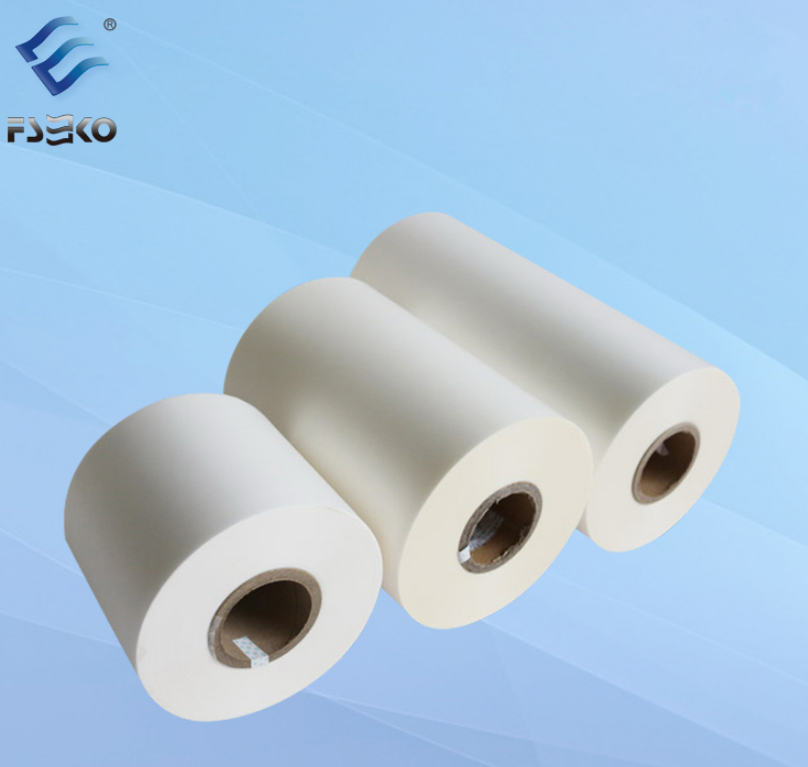
Bakit Mahalaga ang Anti-Scratch na Digital Thermal Lamination Film para sa Pagpapanatili ng Kalidad ng Print
Ang Gastos ng Pinsala sa Ibabaw: Paano Binabawasan ng Abrasion ang Halaga ng mga Print sa Loob Lamang ng 48 Oras
Ang mga hindi protektadong print ay mabilis na nawawalan ng halaga dahil sa pang-araw-araw na pagkaubos. Sa mga mataas ang daloy ng tao tulad ng mga display sa retail o mga setting sa food service, maaaring lumitaw ang mga guhit sa ibabaw sa loob lamang ng 48 oras—na binabawasan ang nakikita nitong halaga at pinapahina ang kredibilidad ng brand. Ayon sa mga pag-aaral, ang mga nasirang materyales sa marketing ay direktang nakaaapekto sa tiwala ng customer: isang simpleng nasira o nabugbog na menu board o shelf talker ay maaaring bawasan ang intensyon na bumili ng hanggang 30%. Mula sa pananaw na pampinansya, ang pagpapalit ng mga nasirang print ay nagkakahalaga ng average na $740,000 bawat taon (Ponemon 2023). Ang anti-scratch digital thermal lamination film ay gumagana bilang unang linya ng depensa, na nanghihigpit sa ganitong uri ng pagkasira sa pamamagitan ng inhenyeriyang proteksyon sa ibabaw. Sa pamamagitan ng paglaban sa karaniwang mga bagay na nag-uubos tulad ng barya, susi, at mga kagamitan sa paglilinis, ito ay pinapanatili ang integridad ng print kung saan nabigo ang karaniwang lamination—na nagbabago ng mga pansamantalang ari-arian sa mga pangmatagalang investasyon.
Agham ng Materyales sa Likod ng Proteksyon: Nano-Reinforced Polyester + Hard-Coat Polymer Chemistry
Ang pambihirang tibay ng anti-scratch digital thermal lamination film ay nagmumula sa multi-layered architecture nito. Ang nano-reinforced polyester base ay nagbibigay ng dimensional stability, habang ang proprietary hard-coat polymer surface—karaniwang lumalagpas sa 6H na tigas ng lapis—ay lumilikha ng sakripisyong harang laban sa abrasion. Ang coating na ito ay gumagamit ng cross-linked molecular chains na sumisipsip ng impact energy nang hindi pumuputok, hindi tulad ng mga karaniwang laminates. Mahalaga, pinapanatili ng chemistry ang optical clarity (≥92% light transmission) habang isinasama ang mga UV inhibitor upang maiwasan ang pagdilaw. Ipinapakita ng mga pagsubok na ang kombinasyong ito ay nagpapahaba sa lifespan ng print ng 2-3× kumpara sa mga unlaminated na materyales, kung saan ang laminated retail signage ay nagpapanatili ng color fidelity pagkatapos ng 18 buwan ng outdoor exposure. Para sa mga high-value na application tulad ng mga ID card o government credentials, tinitiyak ng molecular-level na proteksyon na ito na mananatiling nababasa ang mga kritikal na security feature sa buong operational lifetime ng mga ito.
Paano Nahaharap ng Anti-Scratch Digital Thermal Lamination Film ang mga Konbensyonal na Opisyon
Kakatagan at Pagganap: Bakit Mahalaga ang >6H Pencil Hardness at Dual-Finish Capability
Ang pangunahing kalamangan ng anti-scratch digital thermal lamination film ay matatagpuan sa kanyang napakahusay na surface hardness—na nag-uunahan sa mga karaniwang laminates na madalas nababigo sa mga pagsusulit sa industriya para sa pagkakasira dahil sa pagguhit. Ang rating na >6H pencil hardness ay nangangahulugan na ang matigas, cross-linked polymer structure ng film ay kayang tumagal ng paulit-ulit na abrasion mula sa paghawak, pagpapadala, o paglilinis nang walang nakikitang marka. Ang ganitong tibay ay direktang sumasagot sa kahinaan ng mga konbensyonal na gloss o matte laminates, na madalas ay nagpapakita ng mga manipis na guhit kahit sa maliit na paggamit lamang. Bukod dito, ang mga premium na film ay nag-aalok na ngayon ng dual-finish capability , na nag-aalok ng parehong mataas na kislap at matte na opsyon mula sa iisang linya ng produksyon. Ang ganitong versatility ay nagpapahintulot sa mga B2B na provider ng print na i-standardize ang kanilang imbentaryo habang natutugunan ang iba’t ibang pangangailangan ng kanilang mga kliyente—maging para sa mga buhay at sumasalamin na print o para sa isang premium na surface na walang glare at may maginhawang texture. Kasama ang ultra-hardness at flexibility ng finish, nagbibigay ito ng proteksyon at kontrol sa aesthetic na hindi kayang gawin ng karaniwang lamination.
Presisyong Aplikasyon: Pag-optimize ng Kapal (25–36 µm) at Temperatura ng Aktibasyon (95–115°C) Ayon sa Substrate
Upang buksan ang buong performance ng anti-scratch na digital thermal lamination film, mahalaga ang eksaktong kontrol sa proseso. Ang optimal na kapal ay nasa loob ng maingat na saklaw na 25–36 µm : ang mas manipis na mga film (25 µm) ay angkop para sa mga lightweight na dokumento tulad ng mga menu na nangangailangan ng flexibility, samantalang ang mas makapal na mga film (36 µm) ay nagbibigay ng mas mataas na rigidity at resistance sa pagkaskas para sa mga item na madalas hawakan tulad ng mga ID card. Ang saklaw ng temperatura ng aktibasyon na 95–115°C ay kasing-kritikal. Ang paggamit ng init sa ibaba ng saklaw na ito ay nagdudulot ng panganib na hindi kumpleto ang pagkakadikit ng pandikit at pagkakahiwalay ng mga layer; ang labis na init naman ay maaaring magdulot ng punit sa nano-reinforced hard-coat o distorsyon sa substrate. Sa pamamagitan ng pagkakalibrado ng kapal at temperatura batay sa tiyak na substrate—tulad ng paggamit ng 25 µm na film sa 100°C para sa mga shelf talker na gawa sa papel o 36 µm na film sa 110°C para sa mga kredensyal na gawa sa matigas na PVC—ang mga print shop ay nagpapataas ng yield at tiyak na nakakabond ang mga scratch-resistant na katangian ng film nang perpekto nang hindi nilalabag ang base material. Ang antas ng kumpiyansa na ito ay nag-aalis ng basura at nagagarantiya ng pare-parehong, pangmatagalang proteksyon.
Mga Aplikasyong May Mataas na ROI na Nagpapabilis ng Pag-adopt sa Mga B2B Print Segment
Retail POP & Food Service: Mga Board ng Menu, Shelf Talker, at Display sa Countertop
Ang mga kapaligiran na may mataas na daloy ng tao tulad ng retail at food-service ay nagpapakalat ng mga nakaimprentang materyales sa paulit-ulit na paghawak, mga spill, at abrasion. Ang mga shelf talker at menu board na hindi naproseso ay maaaring magpakita ng pansamantalang pagsuot sa loob lamang ng ilang araw—na kailangang paulit-ulit na i-print muli, na kumukunsumo sa kita. Ang paggamit ng anti-scratch digital thermal lamination film ay nagpapahaba ng buhay ng display nang tatlo hanggang limang beses kumpara sa mga hindi laminated na stock, na binabawasan ang gastos sa pagpapalit at pinapanatili ang premium na imahe ng brand. Ang nano-reinforced na ibabaw nito ay tumutugon sa paulit-ulit na pagwiping at pakikipag-ugnayan sa mga daliri na may taba, na pinapanatili ang katumpakan ng kulay at kalinawan ng teksto sa buong panahon ng kampanya.
Ligtas na Pagkakakilanlan: Mga ID Card, Access Badge, at mga Credential na Ipinagkaloob ng Pamahalaan
Ang mga dokumentong pangkakilanlan ay ginagamit araw-araw—paghila, paglalagay sa bulsa, at pagkakalbo dahil sa friction sa badge reader—na mabilis na nagpapababa ng kalidad ng mga card na walang proteksyon. Ang mga naka-scratch na ID card ay sumisira sa seguridad dahil binabago o tinatago ang mga litrato o barcode, na humahantong sa kabiguan sa access control at sa dagdag na gastos sa pagbibigay muli. Ang lamination na may hard-coat polymer layer (5–6H pencil hardness) ay tumutol sa mga scuff at minor cuts, na pananatiling basahin ang mga credential sa buong validity period. Ang mga ahensya ng pamahalaan at malalaking enterprise ay unti-unting nagsisipagtalaga ng film na ito para sa high-volume card production dahil sumusunod ito sa ISO durability standards nang hindi nagdaragdag ng kapal, na nagsisiguro ng compatibility sa umiiral na encoding at printing workflows.
Pagpili ng Tamang Digital Thermal Lamination Film na Anti-Scratch para sa Iyong Workflow
Ang pag-integrate ng anti-scratch na digital thermal lamination film sa iyong produksyon ay nangangailangan ng estratehikong pag-align sa mga kakayahan ng kagamitan, compatibility ng substrate, at mga pangangailangan ng dulo ng paggamit. Iprioritize ang teknolohiya ng pandikit na kumakapit nang maayos sa iba't ibang materyales—tulad ng vinyl, PVC, o cardstock—upang maiwasan ang pagkakalag sa ilalim ng stress. Ang optimal na kapal ng film (25–36 µm) ay nagbabalanse ng tibay at flexibility, habang ang eksaktong temperatura ng aktibasyon (95–115°C) ay umaangkop sa sensitibidad ng substrate. Para sa retail POP (Point-of-Purchase) na display, piliin ang matte finish upang mabawasan ang glare; ang mga ID card na may mataas na daloy ng tao ay nangangailangan ng glossy finish para sa mas mainam na scannability. Ang mga field test ay sumasang-ayon na ang mga film na may hardness na higit sa 6H pencil ay nababawasan ang gastos sa pagpapalit ng 34% para sa mga menu board ng food service. Palaging i-match ang presyon ng roller ng laminator at uniformidad ng init sa mga technical specification ng film—ang anumang pagkakaiba na lumalampas sa ±5°C ay maaaring magdulot ng delamination.
Talaan ng Nilalaman
- Bakit Mahalaga ang Anti-Scratch na Digital Thermal Lamination Film para sa Pagpapanatili ng Kalidad ng Print
- Paano Nahaharap ng Anti-Scratch Digital Thermal Lamination Film ang mga Konbensyonal na Opisyon
- Mga Aplikasyong May Mataas na ROI na Nagpapabilis ng Pag-adopt sa Mga B2B Print Segment
- Pagpili ng Tamang Digital Thermal Lamination Film na Anti-Scratch para sa Iyong Workflow