 EN
EN


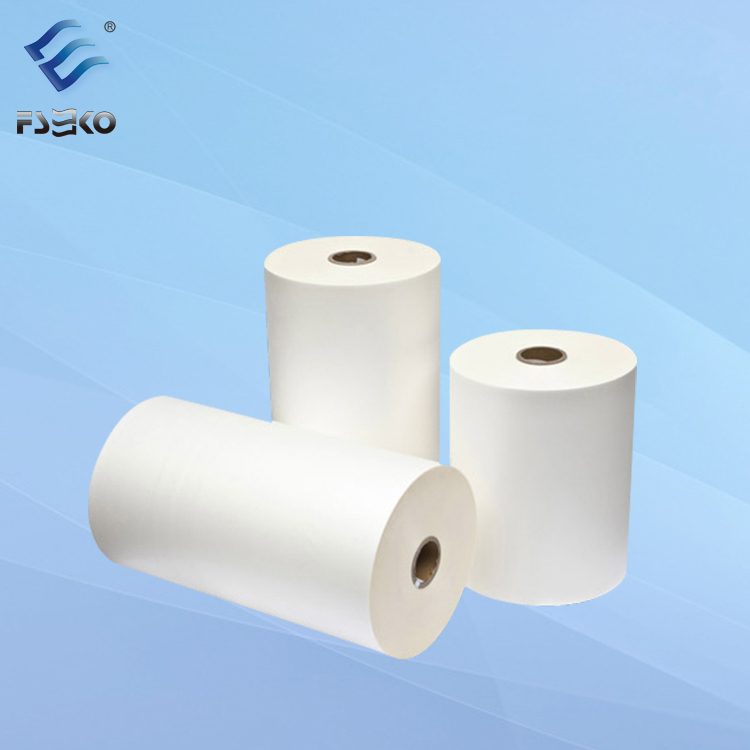
Faida Kuu za Film ya Kuparua Kwa Joto katika Uzalishaji wa Viwanda
Mapato ya mazingira na ya utendaji: kuondoa VOC, nishati ya chini kwa 92% kuliko ufunguo wa mchanga (Packaging Digest, 2023)
Film ya kujifunza kwa joto kabla ya kuchapishwa inaondoa kabisa mafuta ya kusongana yanayotumika katika uchakato wa kusongana, na kutoa upepo wa kikemikali cha volatili (VOC) kutoka kwenye viwanja vya uzalishaji. Inahitaji nishati chini ya 92% kuliko kusongana kwa njia ya kawaida ya maji—kulingana na uchambuzi wa Packaging Digest mwaka wa 2023—kwa kupita mitambo ya kusukuma joto iliyo na malipo ya juu na mifumo ya kuzuia upepo wa VOC. Ubadilisho huo pia unapunguza hatari za moto, unafanya ufuatiliaji wa sheria za viwanja kuwa rahisi zaidi, na kuzuia makosa ya kawaida kama vile kuvutia pombe na kusongana kwa sababu ya tofauti za kuvutia kwa maji.
Utendaji wa usahihi: utata wa kuchapishwa chini ya mikroni kwa lebo za ubunifu wa juu na elektroniki zenye uwezo wa kubadilika
Safu za kifungo chini ya mikroni zinazotolewa kwa usawa hutoa udhibiti bora wa u thickness—ni muhimu sana kwa matumizi yanayohitaji uhakiki wa ukubwa wa mikroskopu. U sawa huu unasaidia mchoro wa ubunifu wa kilele kwenye lebo za juu bila vishawishi vya maoni na inahakikisha kuchapishwa kwa ukumbusho wa umeme na kufunga vifaa katika elektroniki zenye uwezo wa kuzunguka. Kinyume cha taratibu zinazotegemea msongamano, uvimbi wa joto unahifadhi utambulisho wa vitu wakati wa mzunguko wa joto, ukidumisha ustabiliti wa vipimo wakati wa ubadilishaji na matumizi ya mwisho.
Ufanisi wa Gharama za Film ya Awali ya Joto: Zaidi ya Bei ya Kuanza
Uchambuzi wa Jumla ya Gharama ya Ubunifu (TCO): Gharama jumla ni chini ya asilimia 37 kwa miezi 12 ingawa bei ya kitu kimoja cha film ni juu (Smithers PX, 2024)
Kuzingatia gharama ya filamu kwa kila kitengo pekee hupuuza picha kamili ya kiuchumi. Utafiti wa Jumla ya Gharama ya Umiliki (TCO) wa Smithers PX wa 2024 unaonyesha kwamba watengenezaji wanaotumia filamu iliyopakwa mafuta hufanikiwa gharama jumla chini ya asilimia 37 kwa miezi 12 , hata kwa bei ya awali ya vitu vya kujenga viwili. Uchumi huu unatokana na kufuta uweke wa mafuta ya kusafisha, uhifadhi, na utajiri; kufuta miundombinu ya kushuka; na kupunguza matumizi ya nishati kwa asilimia 92 (Packaging Digest, 2023). Kasi ya juu zaidi ya mistari ya uzalishaji inapunguza gharama za kazi, wakati usawa wa kuchomwa chini ya mikroni unapunguza uvivu katika matumizi ya usahihi mkubwa—kuanzia kuchapisha kwenye vifaa vya umeme hadi kufunga dawa. Film ya kuchomwa kwa joto kabla ya kutumika si gharama ya ziada—ni kipengele cha kuboresha kisasa cha uendeshaji wenye ufanisi wa rasimu, salama, na yenye ustawi.
Mabadiliko ya Vitu vya Kujenga na Film za Kuchomwa kwa Joto Kulingana na Matumizi
Linganisha vitu vya msingi: BOPP, PET, na nylon—utofauti kati ya wazi, ustahilia wa joto, na uvivu
Polypropylene yenye uwekaji wa mbinu ya kipindi cha mbili (BOPP) inatoa uwazi wa kuvumbua kwa nuru na ufanisi wa gharama lakini inaonyesha kupungua kwa kiwango cha wastani juu ya 85°C—kwa hivyo ni bora kwa upakiaji wa watumiaji wenye uonekano mzuri sana ambapo uwepo wa joto unapungua. Polyethylene Terephthalate (PET) inatoa ustawi wa juu wa joto (inaendura hadi 150°C) na kupungua kidogo tu, ingawa uangavu wake unapungua kidogo; utata wa ukubwa wake unamfanya kuwekwa kwenye vitu vya umeme vya kuzunguka na kuchapisha kwa usahihi. Nylon inatoa nguvu ya juu ya kifisiki na ustawi wa joto lakini inaathirika zaidi na kupungua kwa sababu ya unyevu—ni bora kwa mazingira ya kutumika katika viwanda vya magari au viwanda vingine ambapo nguvu inazidisha udhibiti wa unyevu.
Mafuta ya kujumuisha ya kizazi kijacho: muundo wa aina ya kuchemsha kwa uwezo wa kusimama kwa joto la >120°C na kufanana na masharti ya chakula
Makilimisho ya kizazi cha pili ya aina ya kuungana kwa kutopwa yanazamishwa kwa ajili ya umsukumo wa haraka, bila kutumia mafuta, chini ya joto—hutoa uwezo wa kuunganisha kwa nguvu zaidi ya 120°C. Uundaji wa polimea wao unaofanywa kwa uhakika unakidhi mahitaji ya FDA 21 CFR na Sheria ya Umoja wa Ulaya 10/2011 kuhusu mazingira ya chakula, hivyo kuepuka hatari ya kusogea kwa kemikali na kuhakikisha kuunganishwa bila vumbi. Kwa kusonga haraka ambayo inapunguza muda wa kupumzika kwa asilimia 40 kuliko mfumo wa kawaida, makilimisho haya yanapanua matumizi ya filamu ya awali yenye uwezo wa kujitoa joto katika upakaji wa vitu vya kisasa vya hospitali vinavyoweza kufanyiwa uvinyo, vyombo vya kuhifadhi chakula vinavyoweza kufanyiwa uvinyo, na sehemu za mitambo ya magari chini ya kichwa cha mitambo—mahali ambapo utii wa sheria na uwezo wa kubaki kwa joto ni muhimu sana.
Sehemu ya Maswali yanayotofikiwa
Thermal precoated film ni nini?
Filamu ya awali yenye uwezo wa kujitoa joto ni aina ya filamu inayotumika katika uzalishaji wa viwanda ambayo inaamshwa kwa joto badala ya makilimisho yanayotumia mafuta.
Filamu ya awali yenye uwezo wa kujitoa joto inafanya nini kwa faida ya mazingira?
Inaondoa hitaji la makilimisho yanayotumia mafuta, hivyo kuepuka upepo wa kemikali zenye uharibifu (VOC) na kupunguza matumizi ya nishati kwa asilimia 92 kuliko mchakato wa kawaida.
Ni nini faida za gharama za kutumia filmi za awali zenye joto?
Ingawa gharama ya awali inaweza kuwa ya juu, Jumla ya Gharama ya Umenyesho ni chini ya 37% kwa miezi 12 kwa sababu ya uchunguzi wa nishati, usalama wa mafuta ya kusonga, na kupunguza taka.
Ni nini vinyo vya kawaida vinavyotumika pamoja na filmi za awali zenye joto?
Vinyo vya kawaida viwili ni BOPP, PET, na nyiloni, ambavyo kila moja vina tofauti za sifa kama vile wazi wa nuru, ustawi wa joto, na nguvu ya kimwili.
Ni nini kinachofanya mafuta ya kushikilia ya kizazi kijacho ya aina ya kuchemsha kuwa ya kipekee?
Mafuta haya ya kushikilia yanafanya kazi bila mafuta ya kusonga na yanatoa uwezo wa kushikilia kwa nguvu katika maji ya joto zinazozidi 120°C, wakati huo huo wakiwajibika kwa masharti ya utaratibu ya usalama wa chakula.