 EN
EN


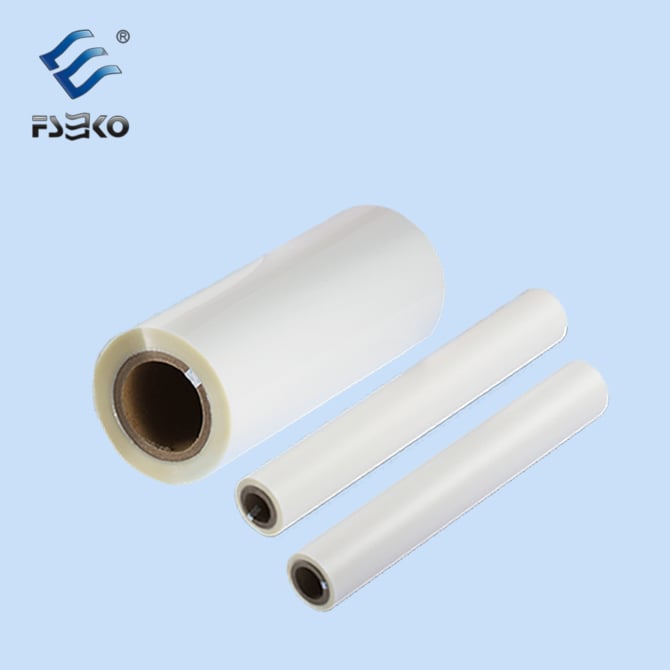
The Tactile Dimension of Brand Perception
Brand owners have become increasingly sophisticated about how consumers evaluate products. Visual appeal remains important, but the sense of touch has emerged as a differentiator that competitors cannot copy as easily. A package that looks good gets attention. A package that feels good creates a connection.
Soft touch lamination delivers a velvet-like texture that changes how a printed piece feels in the hand. The surface is warm, smooth, and slightly grippy—a sensory experience that signals quality before the consumer reads a single word. This tactile quality has made soft touch films a popular choice for premium packaging, luxury catalogs, and high-end marketing materials.
The business case for soft touch lamination goes beyond aesthetics. The finish influences how people perceive value, how long they handle the piece, and ultimately whether they remember the brand.
What Soft Touch Actually Means Technically
Soft touch lamination achieves its characteristic feel through a combination of surface texture and material compliance.
The texture comes from microscopic surface irregularities that create a matte appearance and a non-slip feel. These irregularities diffuse light, eliminating glare while providing the tactile sensation that distinguishes soft touch from standard matte finishes. The surface feels softer because the texture reduces the contact area between the skin and the film, distributing pressure across a wider area.
The compliance—or give—comes from the film's material properties. Soft touch films typically use modified polyolefin or specialized EVA formulations that have lower modulus than standard films. The material yields slightly under pressure, creating the sensation of softness that standard films lack.
The combination of texture and compliance produces a finish that feels qualitatively different from standard matte. It's not just visual matte with a different name—it's a fundamentally different tactile experience.
What Market Research Shows About Tactile Preference
Consumer response to soft touch packaging has been studied across multiple product categories. The findings consistently show that tactile experience influences perceived value.
| Product Category | Consumer Preference (Soft Touch vs. Standard) | Perceived Value Increase |
|---|---|---|
| Luxury cosmetics packaging | 78% preferred soft touch | +15–20% perceived premium |
| Premium food boxes | 72% preferred soft touch | +12–18% perceived quality |
| High-end catalogs | 68% preferred soft touch | +10–15% perceived brand value |
| Retail gift packaging | 74% preferred soft touch | +14–19% perceived worth |
These numbers reflect a consistent pattern: consumers associate the soft touch feel with higher quality and are willing to pay more for products that deliver that experience. The tactile signal overrides visual cues in some cases—a soft touch package can appear more premium than a visually identical package with standard finish.
The implication for brand owners is clear: soft touch lamination can differentiate a product in crowded retail environments without changing the product itself.
A Stationery Brand's Pivot
A German stationery manufacturer had been producing a line of premium notebooks with a standard matte lamination finish. The product was well-regarded but faced increasing competition from lower-priced alternatives that looked similar on the shelf.
The manufacturer switched the notebook covers to soft touch lamination without changing the paper, binding, or any other specification. The only difference was the finish. Within three months, sales on that product line increased significantly. Customers reported that the notebooks felt more substantial and luxurious, even though the physical weight and thickness hadn't changed.
The manufacturer expanded soft touch lamination to additional product lines and positioned the finish as a distinguishing feature in marketing materials. The tactile experience became part of the brand identity rather than just a production detail.
Where Soft Touch Shines and Where It Doesn't
Soft touch lamination is not a universal solution. The finish works best in applications where tactile engagement is part of the user experience.
Premium packaging benefits because the consumer handles the package during purchase and unboxing. The tactile experience reinforces the premium positioning. Luxury catalogs and lookbooks benefit because the reader spends time with the piece, and the tactile quality extends the engagement. Retail signage in high-end environments benefits because the finish signals attention to detail.
Soft touch is less suitable for applications that require high durability or frequent cleaning. The textured surface can trap dirt more readily than smooth finishes, and aggressive cleaning can alter the surface texture. High-traffic menus, industrial labels, and outdoor signage are generally better served by standard or anti-scratch finishes.
The decision to use soft touch should be driven by the end-use context. If the piece will be handled and appreciated, soft touch adds value. If the piece will be subjected to hard use or harsh environments, the benefits diminish.
The Production Considerations
Soft touch lamination requires attention to a few production variables that standard films don't.
The film's lower modulus means it stretches more easily under tension. Excessive tension during lamination can cause stretching that affects registration or creates dimensional instability in the finished piece. Operators need to dial in tension settings carefully when running soft touch films.
The textured surface can trap air more readily during lamination, increasing the risk of bubbles or voids. Proper roller pressure and nip settings become more critical. Some soft touch films require slightly higher pressure to achieve complete adhesion without trapping air.
The adhesive system must be compatible with the film's surface properties. Soft touch films often use specialized adhesive formulations that bond reliably to the textured surface without affecting the tactile quality. Standard adhesives may not wet out properly on the textured surface, leading to adhesion failures.
These production considerations are manageable but require awareness. Shops running soft touch for the first time should run trials to dial in settings before committing to large production runs.
Beyond the Finish: What Soft Touch Signals
Soft touch lamination signals more than just a preference for a particular finish. It communicates that the brand cares about the complete user experience, not just visual presentation. The tactile detail tells the consumer that someone thought about how the piece would feel in their hands.
This signal is particularly valuable in categories where products are otherwise similar. Two cosmetic packages with identical structural design and similar artwork can be differentiated entirely by the finish. The soft touch version feels more premium, and consumers perceive it as worth more.
The signal works because soft touch is still uncommon enough to be distinctive. Most packaging uses standard gloss or matte finishes. Soft touch stands out as a deliberate choice rather than the default. This distinctiveness contributes to its effectiveness as a brand differentiator.
Guangdong EKO Film Manufacture Co., Ltd. includes soft touch formulations within its thermal lamination film portfolio, developed through research into tactile surface engineering. The company's approach to soft touch films balances the desired tactile quality with the production requirements that make the finish practical for commercial applications.