 EN
EN


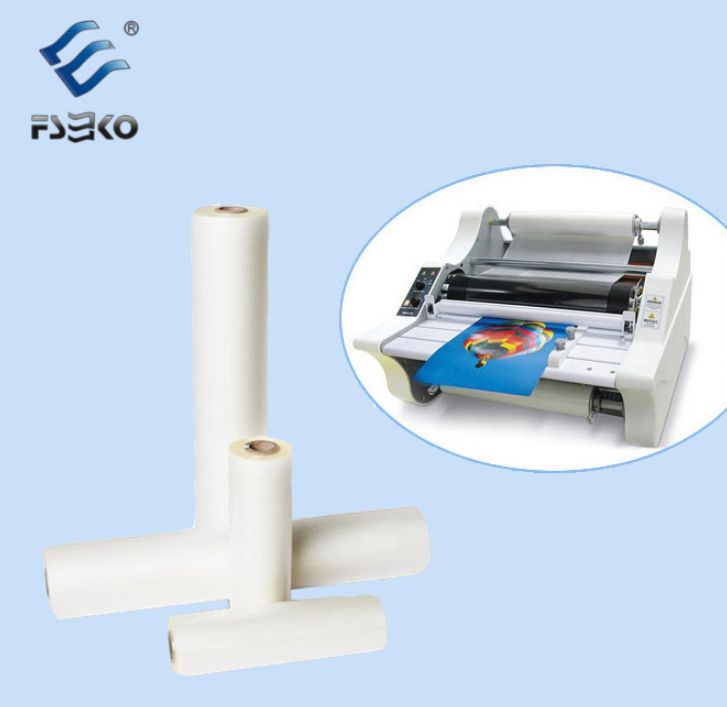
ዲጂታል ትክክለኛ-ተቀላቀለ ላሚኔቲንግ ፊልም እንዴት የባህሪያዊው ላሚኔሽን ውስብስብነት ያስወግዳል
የመጫን ግፊት ላይ የተመሰረተ የአድሶቲቭ ቴክኖሎጂ፡ በፍጥነት የሚሰራ፣ በቅርፀት የሚሰራ እና የማያስፈልግ የማስተካከል ሂደት የዲጂታል ማተም ውጤቶች ለማገናዝ
ዲጂታል ትክክለኛ-ተቀላቀለ ላሚኔቲንግ ፊልም የሙቀት ላሚኔሽንን በየመጫን ግፊት ላይ የተመሰረተ የአድሶቲቭ (PSA) ቴክኖሎጂ በማተም ውጤቶች ላይ ያስተካክላል—የሙቀት፣ የዩቬ ኤ መታጠቢያ እና የመጠበቅ ጊዜ ሙሉ በሙሉ ያስወግዳል። የአድሶቲቭ እንደ አንድ አይነት አገልግሎት ይቆያል እስከ የጎንደር ግፊት በአካል ላይ የሚተገበር ድረስ፣ እና በአካባቢ የሙቀት ደረጃ ላይ ቀጣይነት ያለው እና በፍጥነት የሚሰራ ግንኙነት ይፈጥራል። ይህ በቅርፀት የሚሰራ ስራ በተለያዩ የተሸፈነ የእጅ የተሰራ የመጽሐፍ ወረቀት፣ የሲንቴቲክ ወረቀት እና የቶነር መታጠቢያ ላይ በተረጋጋ ሁኔታ ይተገበራል፣ ይህም የውሃ ማስቀመጥ፣ የቦታ ማስቀመጥ ወይም የላሚኔት ውድቅ አያስከትልም—የቀለም ትክክለኛነት እና የጎንደር ትክክለኛነት ይጠብቃል። የሥራ አከፋፋዮች የተጠናቀቀ ምርት በላሚኔሽን በኋላ በቀላሉ ይዘዋል፣ ይህም የሥራ ውስጥ የሚገኘውን ጊዜ ይቀንሳል እና የሥራ ማጠናቀቂያን ያፓጣል።
በእውነተኛ ሕይወት ውስጥ ያለው ተጽዕኖ፡ በከፍተኛ የማተም ዓይነት ማተም ቤቶች ውስጥ 70% በፍጥነት የማስጀመርያ ሂደት እና የማስቀመጥ ጊዜ ዜሮ
የሙቀት ሮለሮች የሌሉት በመሆኑ፣ ዲጂታል አስቀድሞ በግላዝ የተሰራ ላሚኔቲንግ ፋይል የ"ከፍተኛ ግፊት-ለመስራት" ክስተት እውነተኛ አፈፃፀም ያስተዋወቅ ይደረጋል። መዋቀር በቀጥታ ሮሎቹን ማስገባት እና የአካል አካልን ማስገባት ብቻ ነው—ማንሳት የለም፣ የሚዲያ የተለየ የሙቀት አስተካክል የለም፣ እና የአድሶቲቭ ቀለበት የማጽዳት ስራ የለም። ከፍተኛ የማህደር ማሽን የተለያዩ ስራዎች መካከል የስራ ለስራ ለውጦች እስከ 70% ድረስ በፍላይ የሚቀንስ ተገ Reporter ተደረገ። ምክንያቱም የብንድ ሂደቱ በድፍረት እና በሁሉም የአካል አካሎች ላይ ቋሚ ነው፣ የውጤት መጠን ይጨምራል የאיכות ማንቆሻ የለም—ይህ በተለይ ለB2B ክስተቶች በጣም ዋጋ ያለው ነው፣ ይህም በጊዜ ውስጥ በጣም የሚገለጽ ስራዎችን፣ በተለያዩ የחומרים አይነቶችን እና በጣም የሚቀንስ የእንቁላል ቅንጣቢን ያስተዳድራል።
የቀረ የቀ lạnh አስቀድሞ በግላዝ የተሰራ ላሚኔቲንግ ፋይል የአካባቢ ጥበቃ እና የተቀናጀ ዋጋ
የኢነርጂ እና የማዳመር ቅናሽ: የISO 14001 እና የነት-ዜሮ የፋብሪካ ግቦች ጋር የሚስተዋወቅ
የቀድሞ በግሉ የተሰራ የታንጋ ፈሳሽ የማስተካከል ፊልም በባህላዊ ማስተካከል ውስጥ ትልቁ የኢነርጂ ጥቅም የሚውለውን ክፍል፣ የሙቀት የሚያስተላልፉ ሮለሮችን፣ ያስወገዳል። ሲሆን የሙቀት የሚያስተላልፉ ስርዓቶች የሙቀት መጨመር ለ15–30 ደቂቃዎች እና የስራ ሙቀት ለመጠበቅ የተዘረጋ ኢነርጂ ይፈልጋሉ፣ የቀ lạnh ማስተካከል ደግሞ ኢነርጂውን በተለይ ከዳይቪ ሞተሮች ብቻ ይወስዳል—በእያንዳንዱ ስራ ላይ የስኮፕ 2 የኤሌክትሪክ ፍጆታን በተገቢው መጠን 60–80% ያቀንሳል። የ ISO 14001 የአስተዳደር ማረጋገጫ ወይም የነት-ዜሮ ዒላማዎችን የሚከተሉ ተቋማት ላይ፣ ይህ በቀጣዩ የተጠናቀቀ አካል ላይ የካርቦን ጥንካሬን በቀጥታ ያቀንሳል። በተለይም፣ የሙቀት ማስነሻ አለመኖሩ የአድሶቲቭ ማስተካከል ወቅት የሚፈጠሩ የVOC ምንጭ ማስወገድ ያስተዋውቃል፣ ይህም የሰልቨንት ማስወገድ አገልግሎት እና የተያያዘውን የገንዘብ እና የስራ አስተዳደር አስፈላጊነት ያስወገዳል። በተጨማሪ፣ በቀድሞ የተተገበረው የአድሶቲቭ አሰራር በእጅ ላይ በሚገኘው ጊዜ ሙሉ በሙሉ ይገጣጠማል ስለዚህ የአድሶቲቭ ብክለት በተለምዶ ዜሮ ይሆናል—የቀ lạnh ማስተካከል ስለዚህ ሁለቱንም የአካባቢ ደንብ እና የስራ ቀላልነት ያደርጋል።
የክፀል እና የስራ ጥቅም: የሙቀት ሮለሮችን እና የሰልቨንት ማስወገድ ስርዓቶችን በመወገድ የክፀል ኢንቨስትመንት (CapEx) በ40% ይቀንሳል
የዲጂታል ትክክለኛ የተቀላቀለ ላሚኔቲንግ ፊልም ላይ ለመቀየር ከተመሳሳይ የሙቀት ላሚኔሽን ስስተሞች ጋር በማነፃፀር ከፍተኛውን ኢንቨስትመንት በተقریبا 40% ያቀንሳል። የቀላል ዲዛይን የሙቀት የሚሰጡ ሮሎሮችን፣ የተቀዝቀዙ መረጃ ጣቢያዎችን እና የአየር ማጽዳት መሳሪያዎችን ያስወገዳል—የሜካኒካል ውስብስብነትን፣ የካሊብሬሽን ፍላጎቶችን እና የተጨማሪ ክፍሎች አቅርቦትን ያቀንሳል። የድጋፍ አገልግሎት ወጪዎች በተመሳሳይ ይቀንሳሉ፡ የሙቀት መሳሪያዎች ለመተካት አያስፈልጉም፣ የአድሶቲቭ መቆጣጠሪያ ስቴሽን ለማጽዳት አያስፈልጉም፣ እና የትክክለኛ ክፍሎች ለማገልግል ያስፈልጋሉ ዝቅተኛ ቁጥር ነው። የተግባር አቀማመጥ ላይ፣ የኢነርጂ ፍጆታ በከፍተኛ ደረጃ ይቀንሳል—የተለመደው የውስጥ ፋይል የቀ lạnh ላሚኔተር 0.5–1.0 ኪ ዋ ሰ/ሰ ይጠቀማል፣ በሌላ በኩል የሙቀት መሳሪያዎች 3–6 ኪ ዋ ሰ/ሰ ይጠቀማሉ። በአንድ ዓመት ውስጥ 2,000 ሰዓታት የሚሰራ በሆነ ጊዜ፣ ይህ በኤሌክትሪክ ወጪዎች ላይ በሺዎች ዶላር የሚገመት ብድሮ ይሰጣል። የሰልቨንት ማጽዳት መሳሪያዎችን ማስወገድ ተጨማሪ የፊልተር እና የኢነርጂ ወጪዎችን ያስወገዳል። በተጨማሪም የተቀላቀለ ፊልሞች የחומרים ብድሮ ጥቅም ላይ ለመውሰድ—በአድሶቲቭ ማቀላቀል ላይ አያስፈልጉም፣ በላዩ አይበራም፣ እና በማይጠቀም ምክንያት አይበላሽም—የሶስት እስከ አምስት ዓመታት ድረስ የአጠቃላይ ወጪ በሙቀት የሚሰራ ሌሎች አማራጭ ይልቅ በግልጽ ዝቅተኛ ነው።
የቁሳቁስ ተስማሚነት: ለእርስዎ የተለየ የመሰረት በኩል የሚጠቀሙበት የዲጂታል ቀድሞ የተገጣጠመ የላሚናቲንግ ፊልም መምረጥ
ትክክለኛውን የዲጂታል ቀድሞ የተገጣጠመ የላሚናቲንግ ፊልም መምረጥ የማያቋርጥ የተያያዘ ማጣቀሻ እና የፕሮፌሽናል የጨረታ ጥራት ለማግኘት አስፈላጊ ነው። የመሰረቱ የፀደይ ኃይል፣ የከሚካል የውህደት አወጣጥ እና የፊዚካል አሰራር በፍሉም የአድሂሲቭ የውህደት አወጣጥ ጋር መስማማት አለባቸው—በተለይ ለPVC፣ ፖሊኤስተር፣ የስินቴቲክ የመጽሐፍ ቅጂዎች እና UV-የተቆረጠ የማብራሪያ ኬሚካሎች።
የተሻሻለ የማጣቀሻ: PVC፣ ፖሊኤስተር እና የስንቴቲክ የመጽሐፍ ቅጂዎች — የመካከለኛ ቅፍል የሚፈስፍስ ስርዓት ማስወገድ
የPVC አቀማመጦች የፕላስቲካይዘር የተቃወሙ የአድሂሲቭስ ያስፈልጋሉ እንዲያሳድጉ የሚከሰቱ የማታለፍ ምክንያት የሚያስከትሉ የብረት ማቅረቢያ እና የረጅም ጊዜ የባህሪ ማጣራት። የፖሊኤስተር አቀማመጥ የከፍተኛ የኮሂዢቭ ጠንካራነት ያላቸውን የአድሂሲቭስ ያስፈልጋሉ እንዲገጥሙ የእሱ ዝቅተኛ የማስፋፋት ባህሪዎች፣ ሲሆን የስินቴቲክ የመጽሐፍ ቅጂዎች ደግሞ የሚቆረጡ የአድሂሲቭስ ቅርፃቶችን የሚያስተዋውቁ የሚገቡ የፖሮዝ የፀደይ መስተዳድር ያስፈልጋሉ። የመካከለኛ ቅርፃት ማስተላለፊያ—የትኛውም የዝቅተኛ የሞለኪዩላር ክብደት ያላቸው የአቀማመጥ አካላት ወደ የአድሂሲቭስ ውስጥ የሚበረሩ—የጎን ማስወገድ ወይም የቅርፃት ማለፊያ ሊያስከትል ይችላል በጊዜ ጊዜ ላይ። ለማረጋገጥ የተስማሚነት፣ ቀላል የቅድመ-ምርት ፈተና ያድርጉ፡ የፊልም ያስተካክሉ፣ ከዚያም የንድፍ ናሙናውን በ60 °C ላይ 24 ሰዓታት ያድርጉ ከዚያም ለቦታዎች ወይም ለየጎን የተለየ ማየት ያድርጉ።
የተለየ የተገለጸ ገደብ: ለምን የዩቪ ዘይት የተቀየረ የማተሚያ ኬሚካሎች የፊልም የተለየ የአድሂሽን ፈተና ያስፈልጋሉ
በUV የተፈወሱ ቀለሞች መደበኛውን የPSA እርጥበት መቋቋምን የሚቋቋም ጥቅጥቅ ያለ፣ ዝቅተኛ ወለል ያለው የኃይል መከላከያ ይፈጥራሉ። ያለ ዓላማ የተነደፈ ማጣበቂያ፣ ቦንዶች በሰዓታት ውስጥ ሊበላሹ ይችላሉ - በቀላል ሁኔታዎች ውስጥም ቢሆን። በቀለም ውስጥ ያሉት የቀሩት የፎቶኢኒቲየሮች ከማጣበቂያው ጋር ምላሽ ሊሰጡ ይችላሉ፣ ይህም ቢጫ ወይም የሙቀት ማስወገጃ ያስከትላል። ሁልጊዜ በ50°ሴ ከ24 ሰዓታት በኋላ በ90-ዲግሪ የልጣጭ ሙከራ በመጠቀም ሙሉውን የቀለም-ፊልም-ንጣፍ ጥምረት ያረጋግጡ፤ ከ1 N/cm በታች ያለው የመላጥ ጥንካሬ ተኳሃኝ አለመሆንን ያሳያል። መሪ የፊልም አምራቾች ለተለመዱት የUV አታሚ ሞዴሎች ቅድመ-የተረጋገጡ ማጣመሪያዎችን ያቀርባሉ፣ ይህም አደጋን ይቀንሳል እና እንደገና ስራን ይመልሳል። ይህንን ደረጃ መዝለል ከፍተኛ ወጪ የሚጠይቅ ቆሻሻ እና የደንበኛ እርካታ ማጣት ያስከትላል።
ፍሊክስ የማስተዋል ዘዴ፡ በእጅ የሚተገበር እና በማሽን የሚተገበር ዲጂታል ቅድመ-ተገጣጠመ ላሚኔቲንግ ፊልም መፍትሄዎች
ዲጂታል ቅድመ-ተገጣጠመ ላሚኔቲንግ ፊልም በተመሳሳይ ፊልም እና አድሂዥን ስርዓት በመጠቀም ከአንድ-አንድ በእጅ የሚተገበር ስራ እስከ ከፍተኛ ፍጥነት ያለው የራስ-ሰር የማጠናቀቅ ስራ ድረስ የሙሉው ምርት ዘርፍ ውስጥ የማስተዋል ስራ ለማድረግ ያስችላል።
ለፕሮቶታይፕ፣ በአጭር ስብስብ፣ በመስክ ማስተዳደሪያዎች፣ ወይም በራቀ ቦታ ላይ የሚካሄድ የማረሚያ ሂደት፣ በእጅ መተግበር ለማንኛውም መሳሪያ አያስፈልገውም፡ በቀላሉ የማስወገድ የፀሐይ ቅოጾ ይነከባል፣ ፊልሙ ይቀመጣል፣ እና በፍጥነት የሚያገናኝ በቀን የሚሰራ ጥቅም ለማግኘት በተመሳሳይ እና በቁጠባ ግፊት ይተገብራል። ምንም ለማስቀመጥ ጊዜ የለም፣ ምንም የኃይል ምንጭ የለም፣ እና ምንም የማስተካከል ጊዜ የለም—ይህ የቦታ ላይ የሚሰራ የስግኖች ሂደት፣ ለደንበኞች አቀራረብ፣ ወይም ለትንሽ ቅርጽ የማጠናቀቅ ሂደት አስቀድሞ የተመረጠ ነው።
በስኳላዊ መጠን፣ ተመሳሳይ ፊልም በቀን የሚሰራ የላሚኔሽን መሳሪያዎች ውስጥ በቀላሉ ይዋሃላል። የራስ-ሰር የሚሰራ የግቤት ሂደት፣ የጭንቀት ቁጥጥር፣ እና የተመሳሳይ ግፊት የሚሰጠው የተስተካከለ ውезультат ያስገኛል በሺህ የቆረጭ የገጭት የተለየ ቁሳቁስ ላይ—የሙቀት ሲስተም የሚሰራውን የስራ ፍጥነት ያስተካክላል በሙቀት፣ በሰልቨንት፣ ወይም በማስወገድ አየር የሌለበት። በተለያዩ የገጭት ዓይነቶች ወይም የጨረር ዓይነቶች መካከል ለመቀየር ሰከንድ ብቻ ይወስዳል—በደቂቃ የለም—ምክንያቱም ሙቀት እንደገና ለመስተካከል ወይም ለማቀዝቀዝ የሚያስፈልገው ጊዜ የለም። ይህ የተለየ ችሎታ የהדפסה አገልግሎት የሚሰጠውን ሰራተኞች የስራ አይነት መሰረት የሚያስተካክሉ የሚችሉ ያደርጋል፣ የ infrastructures መሰረት የለም።